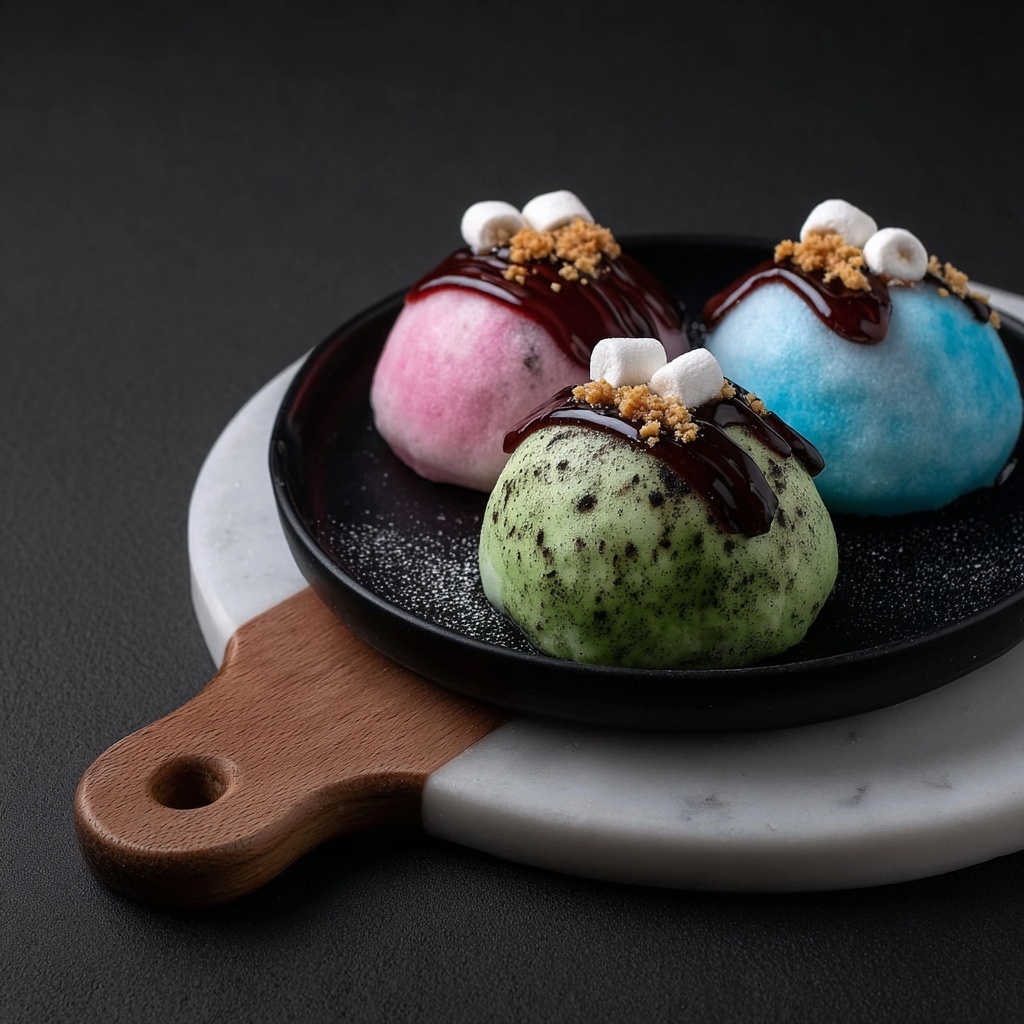
If you have a fondness for traditional Japanese treats and want a wholesome way to enjoy them, then you are in for a treat with this Healthy Guide to Enjoying Traditional Mochi with Red Bean Paste Recipe. This recipe celebrates mochi’s soft, chewy texture coupled with the rich, subtly sweet taste of red bean paste, all while keeping health in mind. Whether you’re new to mochi or a longtime lover, this guide will help you appreciate every bite without guilt, blending cultural delight with nutritional mindfulness.
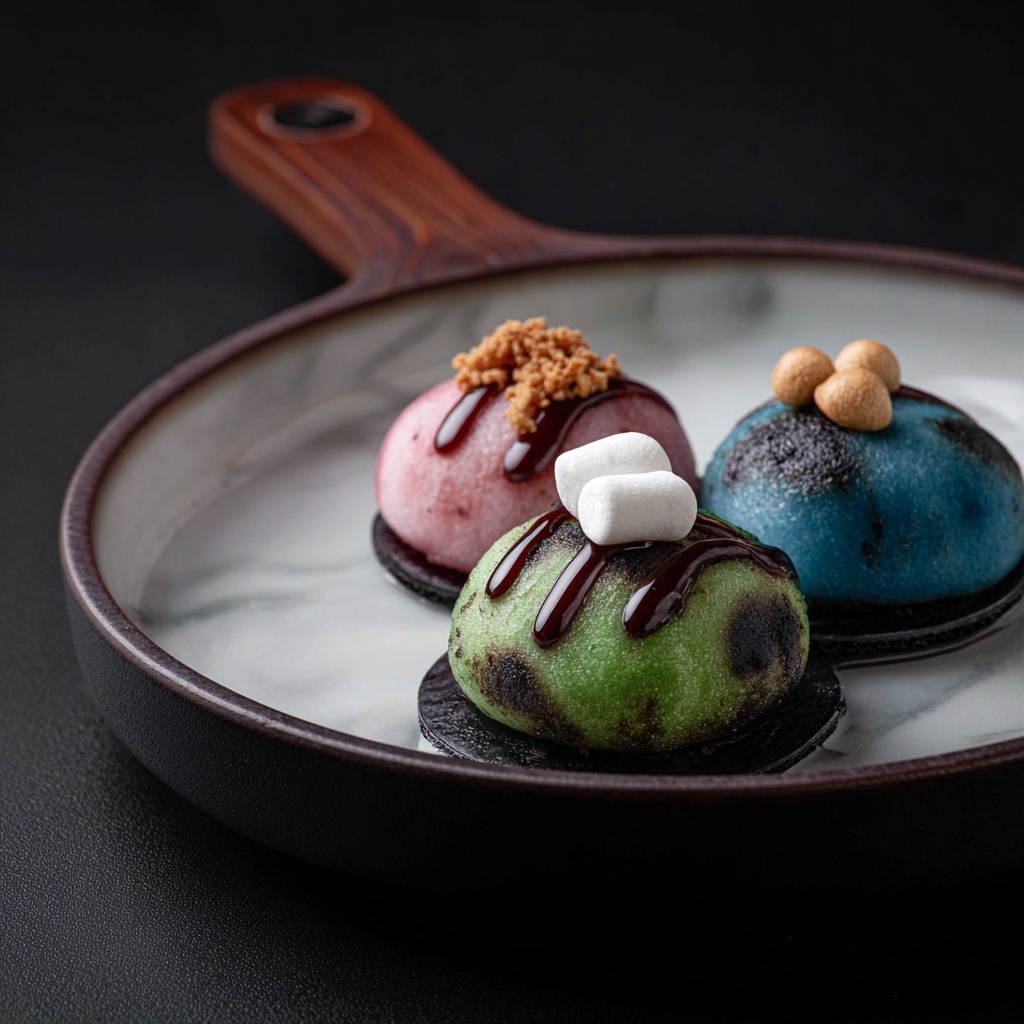
Ingredients You’ll Need
The beauty of this recipe lies in its simplicity. Each component shines on its own and plays a vital role in bringing authentic flavor and texture to the dish. Using minimal yet essential ingredients ensures that the mochi tastes as close to the traditional recipe as possible while keeping it nutritious.
- Glutinous rice flour (mochiko): The key ingredient that gives mochi its signature chewy texture.
- Sweet red bean paste (anko): This natural, mildly sweet filling balances perfectly with the rice dough.
- Sugar: Adds gentle sweetness without overpowering the natural flavors.
- Water: Hydrates the rice flour to form a pliable dough.
- Potato starch or cornstarch: Used for dusting, prevents sticking while maintaining the soft exterior.
How to Make Healthy Guide to Enjoying Traditional Mochi with Red Bean Paste Recipe
Step 1: Prepare the Mochi Dough
Begin by mixing glutinous rice flour, sugar, and water into a smooth batter. This simple combination is what results in mochi’s characteristic chewy texture. The batter should be smooth and easy to manipulate, as this will determine how soft your final mochi turns out.
Step 2: Cook the Batter
Steam the mixture gently for about 15 to 20 minutes until it becomes a sticky, translucent dough. Steaming preserves moisture and creates that delicate softness. Resist the urge to rush this step; a properly cooked mochi dough is the foundation for a satisfying dessert experience.
Step 3: Shape the Mochi
Dust your work surface with potato starch to prevent sticking. Transfer the cooked mochi dough and let it cool just enough to handle safely. Then pinch off small portions and flatten them into discs, ready to be filled.
Step 4: Add the Red Bean Paste Filling
Spoon a small amount of sweet red bean paste into the center of each flattened dough disc. Carefully wrap the mochi dough around the filling, pinching the edges together to seal. This step requires a gentle touch to keep the red bean paste perfectly encased without tearing the dough.
Step 5: Final Dusting and Cooling
After shaping, give each mochi a final dusting with starch to keep them from sticking together. Set them aside to cool completely, letting the flavors meld and the texture become pleasantly chewy yet tender.
How to Serve Healthy Guide to Enjoying Traditional Mochi with Red Bean Paste Recipe
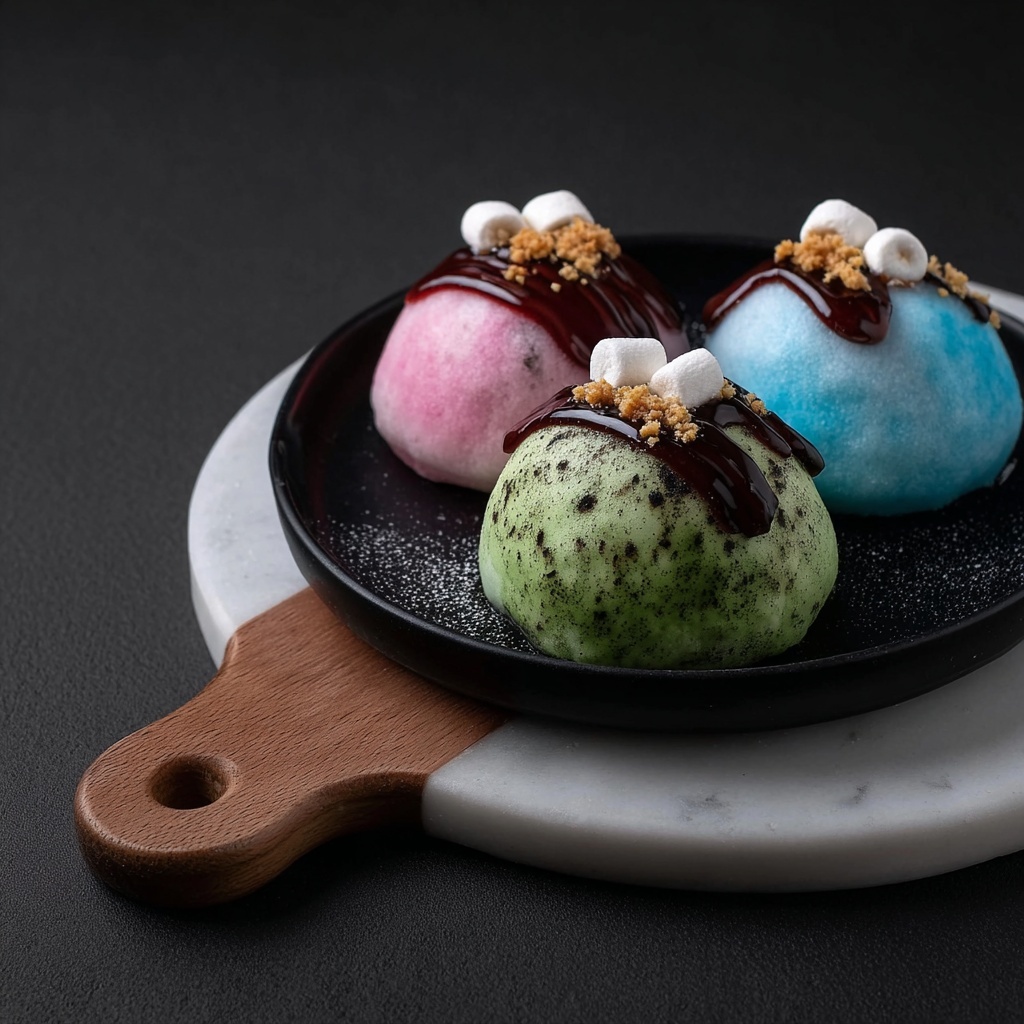
Garnishes
Enhance the visual appeal and taste by sprinkling toasted sesame seeds or a dusting of kinako (roasted soybean flour) on top. These subtle touches complement the natural flavors and add a delicate nuttiness without overwhelming the mochi’s soft texture.
Side Dishes
Pair your mochi with a warm cup of green tea or matcha. The mild bitterness and herbal notes of the tea provide a refreshing contrast to the sweet red bean paste, making it a balanced and satisfying snack or dessert.
Creative Ways to Present
For a charming twist, serve the mochi on a bamboo leaf or beautiful ceramic plates to evoke a sense of traditional Japanese elegance. You can also arrange them with fresh seasonal fruits, which brings a pop of color and brightness alongside the comforting sweetness of the mochi.
Make Ahead and Storage
Storing Leftovers
Because mochi tends to harden once chilled, store leftovers in an airtight container at room temperature for up to one day. Avoid refrigeration if possible to preserve the soft, chewy texture that makes this dessert so delightful.
Freezing
Freeze leftover mochi individually wrapped in plastic wrap, then place them in an airtight container or freezer bag. They can be frozen for up to a month, allowing you to enjoy the Healthy Guide to Enjoying Traditional Mochi with Red Bean Paste Recipe anytime you like without compromising quality.
Reheating
To enjoy frozen mochi, gently steam or microwave them wrapped in a damp paper towel for short intervals until they regain softness. This method restores their characteristic chewiness and brings back that comforting homemade feeling.
FAQs
Is mochi really healthy to eat?
Yes, mochi made with simple ingredients like glutinous rice flour and red bean paste can be part of a healthy diet when eaten in moderation. It’s low in fat, gluten-free, and offers a quick source of energy, but watch portion sizes to manage sugar and calorie intake.
Can I use other fillings besides red bean paste?
Absolutely! While red bean paste is traditional, you can experiment with fruit preserves, sweetened sesame paste, or even custard. Just keep an eye on added sugars to maintain the healthful spirit of this recipe.
Why is eating mochi sometimes dangerous?
Mochi’s sticky and chewy nature means it can be a choking hazard if not eaten carefully, especially for children and the elderly. Always take small bites and chew thoroughly to enjoy mochi safely.
How is mochi different from regular rice cakes?
Mochi is made from glutinous rice that is pounded into a sticky dough, giving it a chewy texture, whereas many other rice cakes use regular rice and have a different, often crisper texture.
Can I find gluten-free mochi easily?
Since mochi is naturally gluten-free, most traditional mochi products will suit a gluten-free diet. Just double-check that no gluten-containing ingredients or cross-contamination occur in processed fillings or packaging.
Final Thoughts
This Healthy Guide to Enjoying Traditional Mochi with Red Bean Paste Recipe is a beautiful bridge between indulgence and mindful eating that invites you to savor every chewy, sweet bite without worry. Give this recipe a try and share the joy of authentic mochi that’s as nourishing as it is delicious — I promise it might just become your new favorite treat!
Print
Healthy Guide to Enjoying Traditional Mochi with Red Bean Paste Recipe
- Prep Time: 10 minutes
- Cook Time: 4 minutes
- Total Time: 14 minutes
- Yield: 6 small mochi pieces
- Category: Dessert
- Method: Microwaving
- Cuisine: Japanese
- Diet: Gluten Free
Description
Mochi is a traditional Japanese dessert made from glutinous rice that is pounded into a soft, chewy dough, often filled with sweet red bean paste, ice cream, or fruit. It is naturally gluten-free and low in fat, offering a moderate energy boost through carbohydrates. While mochi can be a moderately healthy treat when eaten in moderation, attention should be paid to sugar content and portion sizes, especially in modern variations like mochi ice cream.
Ingredients
Basic Mochi Ingredients
- 1 cup glutinous rice flour (mochigome)
- 1/4 cup sugar
- 3/4 cup water
- Potato or cornstarch for dusting
Typical Filling
- Sweet red bean paste (anko), about 1/4 cup
Instructions
- Prepare the Mochi Dough: In a microwave-safe bowl, mix glutinous rice flour and sugar. Gradually add water while stirring until smooth. Cover loosely.
- Cook the Dough: Microwave the mixture on high for about 2 minutes. Stir the dough, then microwave again for another 1-2 minutes until the dough becomes sticky and translucent.
- Shape the Mochi: Dust a clean surface with potato or cornstarch to prevent sticking. Transfer the hot dough onto the surface. Allow it to cool slightly, then divide into small portions.
- Add Filling: Flatten each portion and place about one teaspoon of sweet red bean paste in the center. Carefully fold the dough around the filling and seal.
- Final Touches: Dust finished mochi with starch to keep them from sticking. Serve fresh or chill slightly before eating.
Notes
- Be careful when handling hot mochi dough as it can be very sticky and hot.
- Use potato or cornstarch for dusting to avoid changing the flavor.
- Mochi should be eaten slowly and carefully due to its sticky texture to avoid choking hazards.
- Store mochi in an airtight container; best consumed within one day for optimal freshness.
- To make reduced sugar versions, decrease sugar quantity or substitute with natural sweeteners.