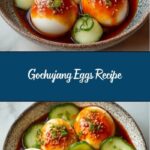
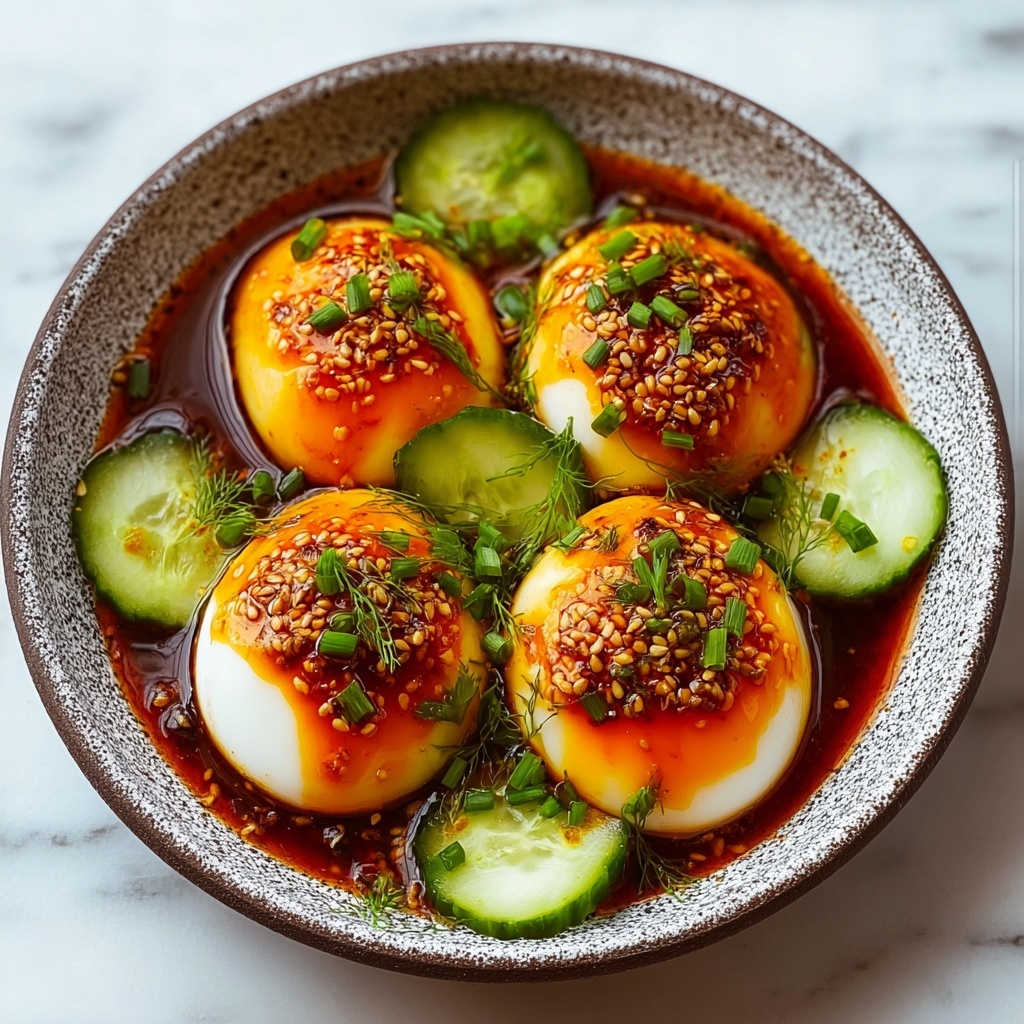
If you’re looking for a vibrant, flavorful, and surprisingly simple dish to brighten up your meals, this Gochujang Eggs Recipe is a game changer. These tender boiled eggs soaked in the rich, spicy, and slightly sweet gochujang sauce create a perfect balance of heat and umami that will tantalize your taste buds. Whether you’re after a quick snack or a bold side, this recipe brings Korean-inspired flavors right to your kitchen with minimal fuss and maximum deliciousness.
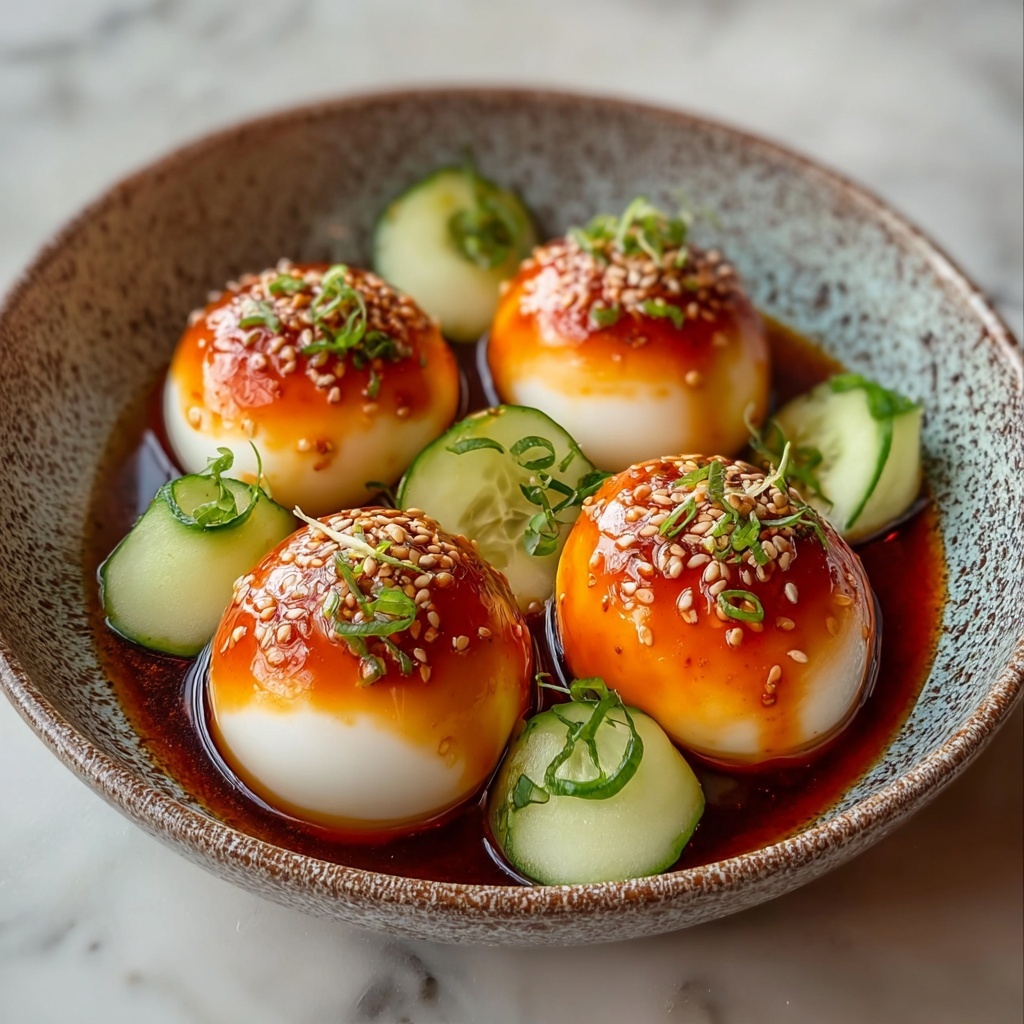
Ingredients You’ll Need
Gathering just a handful of ingredients, this Gochujang Eggs Recipe keeps things straightforward while packing a punch in taste and texture. Each element plays a key role — from the creamy eggs to the fiery gochujang, the salty soy sauce, and the toasty aroma of sesame oil — coming together for a perfectly balanced dish.
- 4 eggs: Fresh eggs boiled to your preferred softness are the base that soaks up all the flavor beautifully.
- 2 tablespoons gochujang: This Korean chili paste gives the dish its signature spicy-sweet kick and vibrant red color.
- 1 tablespoon soy sauce: Adds a savory depth and balances the heat with salty umami notes.
- 1 teaspoon sesame oil: A small drizzle infuses a nutty fragrance that complements the spicy sauce perfectly.
- 1 tablespoon green onions, chopped: Fresh green onions add a crisp, fresh bite and a pop of color to the finished eggs.
How to Make Gochujang Eggs Recipe
Step 1: Boil the eggs
Start by boiling your eggs for about seven minutes if you want a soft-boiled texture where the yolk is slightly runny, or leave them in longer for hard-boiled firmness. Timing here is key—soft yolks soak up the sauce beautifully, while hard-boiled eggs offer a more substantial bite.
Step 2: Chill the eggs quickly
Once boiled, immediately transfer the eggs to an ice water bath. This stops the cooking process sharply, making peeling easier and helping to maintain that perfect texture inside.
Step 3: Peel the eggs
Gently tap and peel the cooled eggshells. Taking care here preserves the smooth surface of the eggs so they can be evenly coated with the tasty sauce later.
Step 4: Prepare the gochujang sauce
In a bowl, mix together gochujang, soy sauce, and sesame oil until the sauce is smooth and glossy. This simple blend provides all the flavor complexity you want—spicy, salty, and nutty notes working in harmony.
Step 5: Coat the eggs
Toss the peeled eggs gently in the sauce, ensuring each egg is thoroughly covered. The sauce clings to the egg’s surface, promising a flavor-packed bite every time.
Step 6: Garnish and serve
Finish by sprinkling chopped green onions over the coated eggs to add freshness, crunch, and a beautiful contrast of color that makes the dish irresistible.
How to Serve Gochujang Eggs Recipe
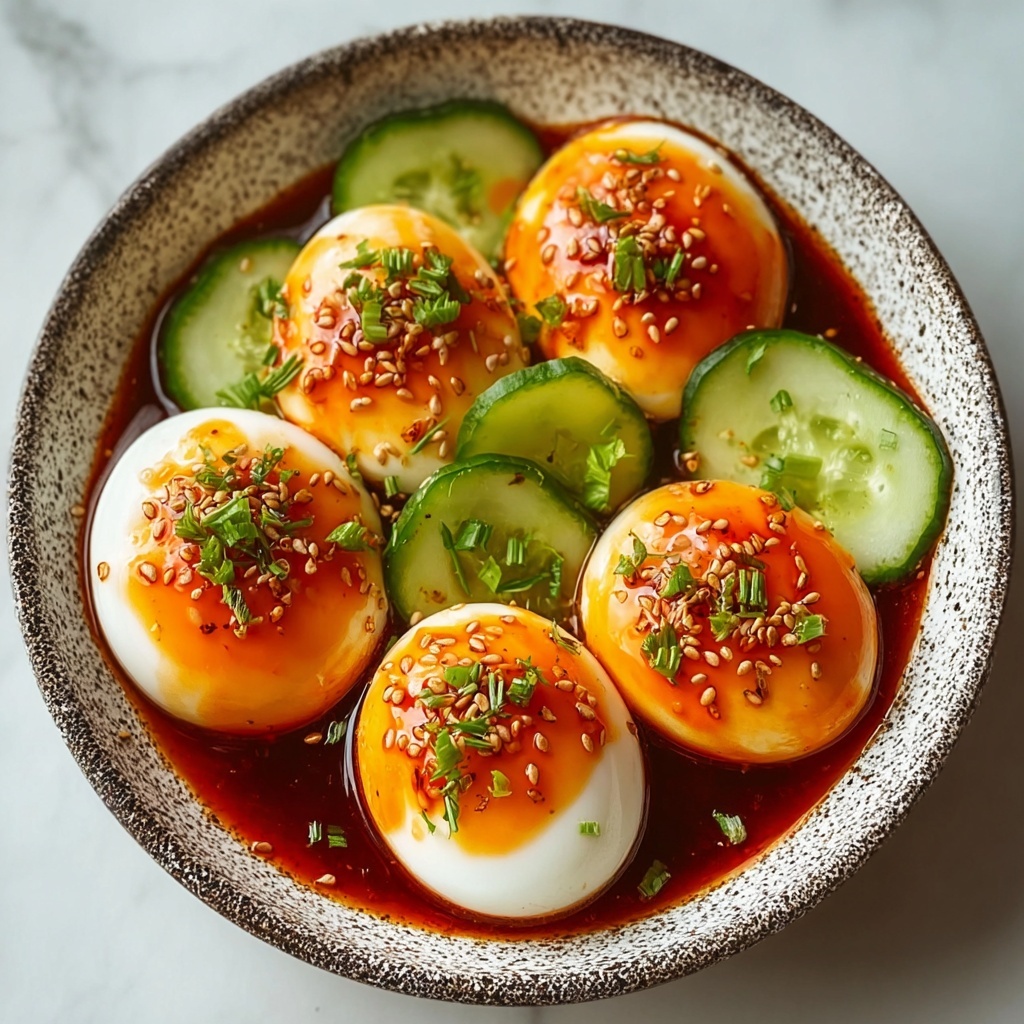
Garnishes
Adding a sprinkle of toasted sesame seeds or a few chili flakes can elevate the dish even further, introducing layers of texture and heat. The beauty of garnishes lies in their ability to tailor the final appearance and taste exactly to your liking.
Side Dishes
These gochujang eggs pair wonderfully with steamed rice, a crisp cucumber salad, or a bowl of warm noodles. Their rich flavors lend themselves well as either a hearty snack or a flavorful accompaniment to a bigger meal.
Creative Ways to Present
Try slicing the eggs in half and serving them over a fresh bed of greens, drizzled with extra sauce for an eye-catching appetizer. You can also add them to a bibimbap bowl or present as part of a vibrant Korean-inspired brunch spread.
Make Ahead and Storage
Storing Leftovers
Once prepared, you can store any leftover gochujang eggs in an airtight container in the refrigerator for up to two days. The eggs will continue to soak up the sauce, intensifying their flavor — just be mindful the texture can firm up slightly over time.
Freezing
Freezing isn’t recommended for this Gochujang Eggs Recipe as boiled eggs tend to develop a rubbery texture when thawed. It’s best to enjoy them fresh for optimal taste and texture.
Reheating
If you prefer to serve the eggs warm, gently reheat them in a steamer or microwave for a few seconds but avoid overheating to keep the egg texture pleasant. Alternatively, serve at room temperature for the full taste experience.
FAQs
Can I use raw eggs instead of boiled?
Raw eggs would not work for this recipe because the gochujang sauce needs to coat cooked eggs to balance flavors and provide the right texture. Boiled eggs act as a perfect vessel for the sauce.
How spicy is this Gochujang Eggs Recipe?
The level of heat depends on the gochujang brand you use. Generally, it offers a moderate spiciness balanced by sweetness and umami, making it approachable even if you’re sensitive to heat.
Can I substitute gochujang with another sauce?
While you can experiment, gochujang has a unique flavor profile combining chili, sweetness, and fermented tang that’s hard to replicate. A mix of chili paste with a touch of miso or soy sauce might work but won’t have the exact same result.
Is this dish suitable for meal prepping?
Absolutely! Gochujang Eggs can be prepared ahead of time and store well in the refrigerator for a couple of days, making them a convenient, flavorful addition to your weekly meal rotation.
What drinks pair well with Gochujang Eggs?
A light, crisp beverage like chilled green tea or a refreshing beer complements the spicy, savory notes of the eggs brilliantly. These drinks help cleanse the palate between bites.
Final Thoughts
This Gochujang Eggs Recipe is one of those delightful discoveries that turn simple ingredients into a bold, memorable dish. I can’t wait for you to try it yourself and enjoy the spicy, rich flavors wrapped around tender eggs. Once you’ve tasted it, it might just become your go-to recipe for an easy yet delicious bite anytime!
Print
Gochujang Eggs Recipe
- Prep Time: 5 minutes
- Cook Time: 7 minutes
- Total Time: 17 minutes
- Yield: 2 servings
- Category: Appetizer
- Method: Boiling
- Cuisine: Korean
- Diet: Halal
Description
Gochujang Eggs are a flavorful Korean-inspired dish featuring boiled eggs coated in a spicy and savory gochujang sauce, garnished with fresh green onions. Perfect as a snack or a unique side dish, this recipe combines the richness of eggs with the bold umami flavors of fermented chili paste.
Ingredients
Eggs
- 4 eggs
Sauce
- 2 tablespoons gochujang (Korean chili paste)
- 1 tablespoon soy sauce
- 1 teaspoon sesame oil
Garnish
- 1 tablespoon green onions, chopped
Instructions
- Boil Eggs: Boil the eggs in water for about 7 minutes if you prefer soft-boiled eggs or cook slightly longer for hard-boiled consistency.
- Cool Eggs: Prepare a bath of cold water and ice, then transfer the boiled eggs to it immediately to stop the cooking process and make peeling easier.
- Peel Eggs: Once cooled, carefully peel the eggs and set them aside on a plate.
- Prepare Sauce: In a mixing bowl, combine gochujang, soy sauce, and sesame oil thoroughly to make the spicy, savory sauce.
- Coat Eggs: Toss the peeled eggs in the sauce mixture until they are completely and evenly coated.
- Garnish and Serve: Sprinkle chopped green onions over the coated eggs for freshness and serve immediately.
Notes
- You can adjust the cooking time of the eggs to achieve your preferred yolk consistency.
- For an extra kick, add a dash of garlic powder or a sprinkle of toasted sesame seeds.
- This dish is best served fresh but can be stored in the fridge for up to 2 days.
- If you prefer less spice, reduce the amount of gochujang accordingly.
- Use fresh green onions for the best garnish flavor and appearance.