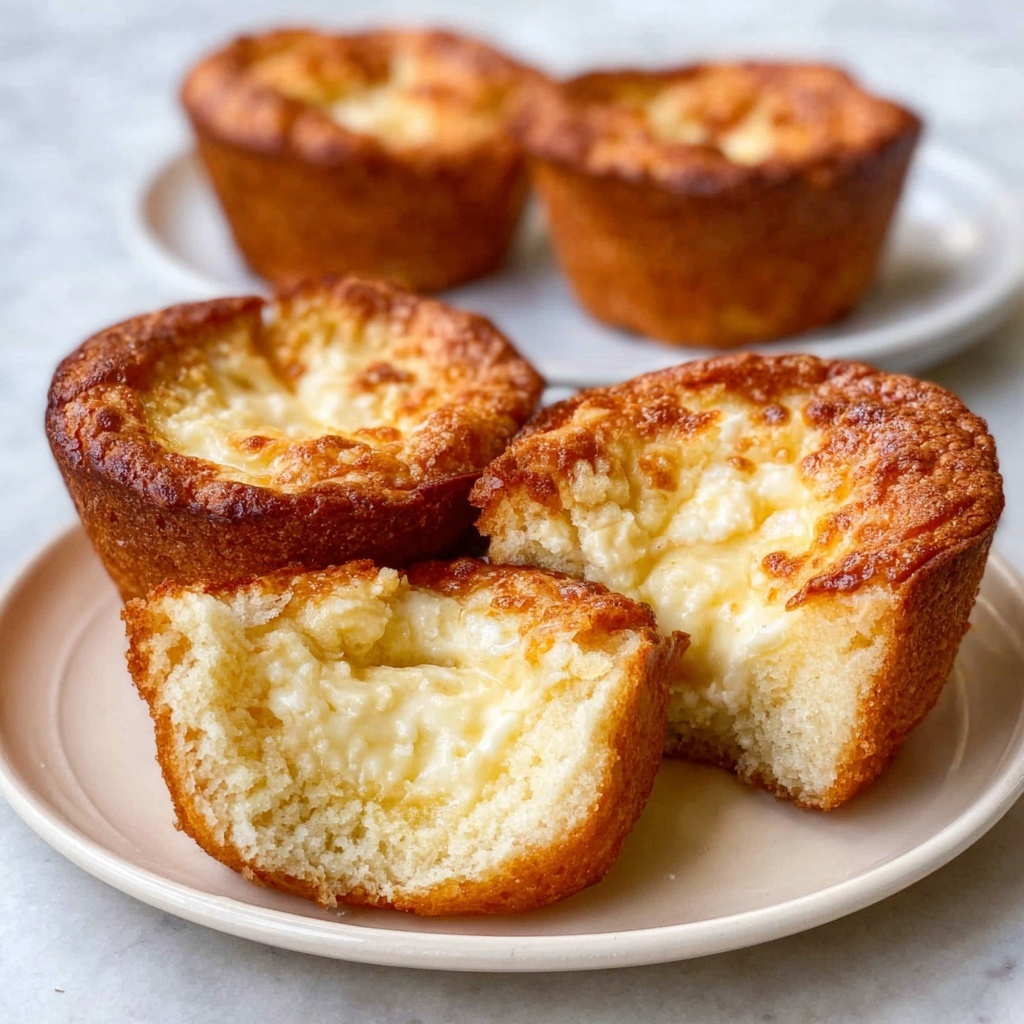
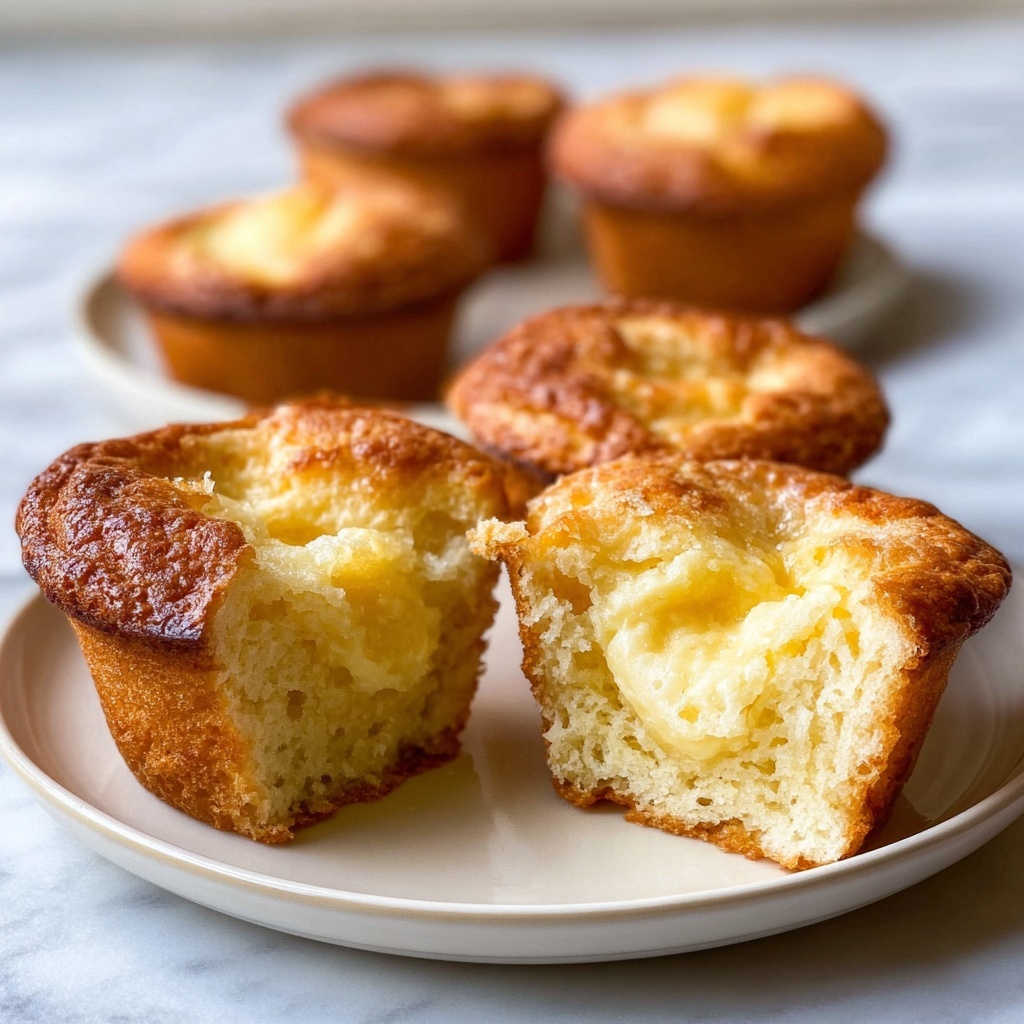
There is something truly magical about a well-made Yorkshire Pudding. This classic British side dish has captured hearts worldwide with its irresistibly golden, crispy exterior and soft, airy interior. Whether you’re serving it alongside a juicy roast or turning it into a vessel for gravy, this Yorkshire Pudding Recipe is an absolute must-have in your cooking repertoire. With simple ingredients and straightforward steps, it promises a show-stopping result that will make every meal feel special.
Ingredients You’ll Need
Getting your ingredients lined up is the first exciting step on this Yorkshire Pudding adventure. Each component plays a key role in creating that perfect rise, lightness, and beautiful color that Yorkshire puddings are famous for.
- Flour (250 grams): The foundation of the batter, providing structure and a smooth texture.
- Salt (1/2 tsp): Enhances flavor subtly without overpowering the other tastes.
- Milk (1/2 cup): Adds richness and moisture to help create a tender crumb.
- Water (1/2 cup): Keeps the batter light and ensures it puffs up beautifully.
- Eggs (2): Beaten until frothy, these inject air into the batter, giving Yorkshire puddings their signature rise.
- Butter (2 1/2 tbsp plus extra for greasing): Crucial for greasing the pan to achieve those crispy, golden edges and delicious buttery notes.
How to Make Yorkshire Pudding Recipe
Step 1: Sift the Dry Ingredients
Start by sifting the flour and salt together in a large bowl. This ensures your mixture is lump-free and well combined, which is key to fluffy puddings. It might seem like a small step, but it’s the foundation of a smooth batter.
Step 2: Combine Wet Ingredients
Make a well in the center of your dry ingredients, then pour in the water and milk. Use a whisk to mix thoroughly until you have a smooth mixture with no lumps. This ensures the right consistency and makes the batter lovely and light.
Step 3: Prepare the Eggs
In a separate bowl, beat the eggs vigorously until frothy. This aeration adds the air bubbles your Yorkshire pudding needs to rise extravagantly in the oven, giving it that irresistible puff.
Step 4: Mix Eggs Into Batter
Pour the frothy eggs into your batter and whisk continuously until the whole mixture is silky and well combined. A smooth batter without lumps is your ticket to perfect Yorkshire puddings.
Step 5: Refrigerate the Batter
Cover the bowl with plastic wrap and refrigerate for at least 5 hours, ideally overnight. This resting time develops flavor and helps the batter ingredients marry perfectly, resulting in a superior rise and texture.
Step 6: Prepare the Baking Pan
Before baking, generously butter a 12-cup muffin tin. This butter not only prevents sticking but also sizzles when heated, helping crisp and brown the edges beautifully for that signature Yorkshire pudding crunch.
Step 7: Preheat Oven & Rest Batter
Remove the batter from the fridge and preheat your oven to a roaring 400°F (205°C). Beat the batter again briefly until you see little bubbles on the surface—this means it’s ready to create those perfect air pockets when baked.
Step 8: Heat the Pan
Pop the buttered muffin tin into the oven for 1 to 2 minutes until the butter is sizzling and slightly browned. This hot butter creates the crucial initial burst of steam that helps the puddings puff up spectacularly.
Step 9: Add Batter and Bake
Work quickly! Remove the pan from the oven and pour the batter evenly into each of the 12 muffin cups. Swift action keeps the pan hot, ensuring an immediate reaction in the oven. Return the tin to bake.
Step 10: Bake Until Golden
Bake for about 15 to 20 minutes until the Yorkshire puddings are golden, tall, and puffed up proudly. If you want extra crisp edges, move the pan to the top shelf for a few more minutes. The result is a stunning, golden-brown crown to your meal.
Step 11: Serve Immediately
Yorkshire puddings are at their best freshly baked, when they are airy and crisp. Serve them straight from the oven to enjoy that wonderful texture and flavor at its peak.
How to Serve Yorkshire Pudding Recipe
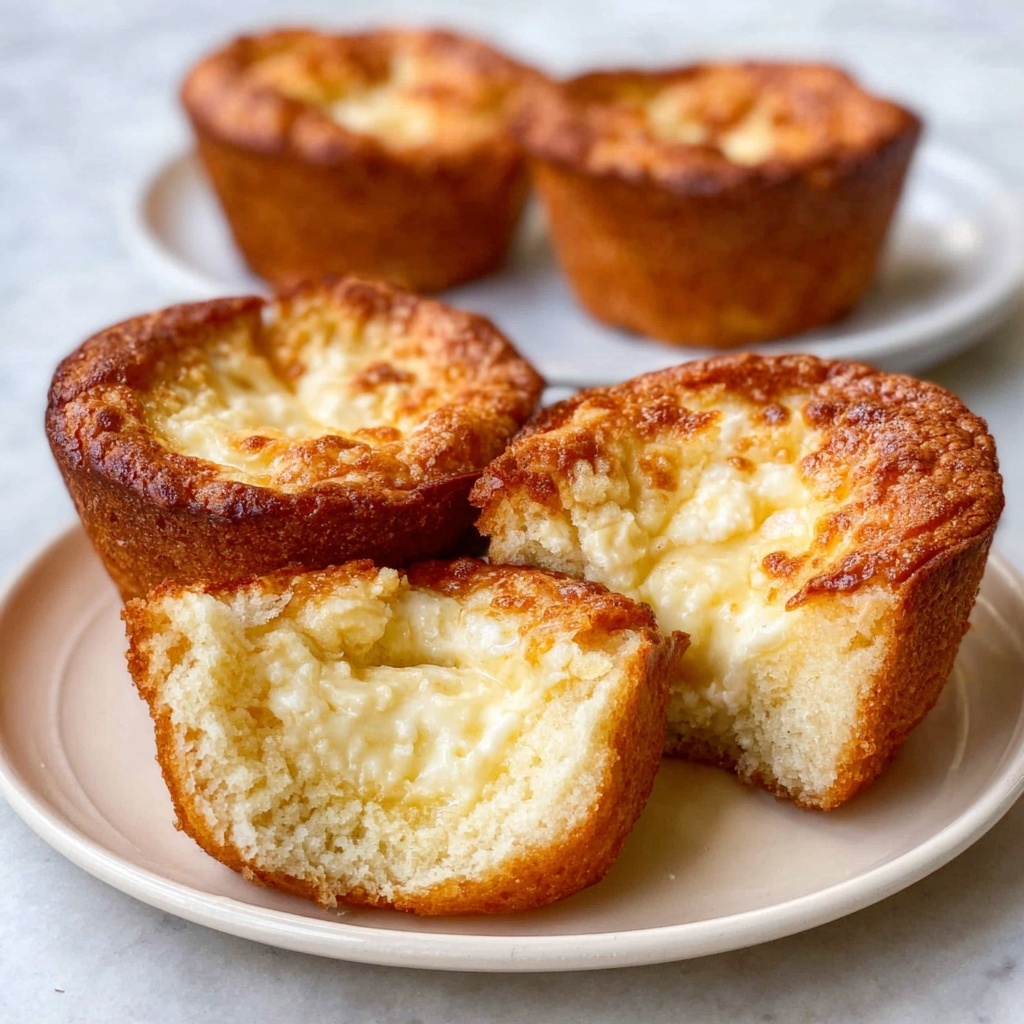
Garnishes
While Yorkshire puddings shine on their own, a drizzle of rich gravy is a classic finishing touch. Fresh herbs like parsley or thyme can also add a lovely hint of freshness and color, elevating this humble dish to a centerpiece.
Side Dishes
Traditionally accompanied by roast beef and roasted vegetables, Yorkshire puddings pair exceptionally well with any hearty roast. They are also fantastic alongside sausages and onion gravy for a comforting British classic known as “Toad in the Hole.”
Creative Ways to Present
Why not turn your Yorkshire pudding into a vessel for fun fillings? Stuff them with creamy mashed potatoes, sautéed mushrooms, or a dollop of horseradish sauce for a delightful appetizer or side. You can also fill larger versions with savory stews for a deliciously cozy meal.
Make Ahead and Storage
Storing Leftovers
If you happen to have any leftovers, store Yorkshire puddings in an airtight container at room temperature for up to a day. They tend to lose their crispness the longer they sit, so enjoy them soon after baking for the best experience.
Freezing
You can freeze Yorkshire puddings if needed. Cool them completely, then place them in a freezer-safe container or bag. They will keep for up to 2 months. This way, you always have a delicious side on hand to warm up for a comforting meal.
Reheating
To reheat, place Yorkshire puddings in a hot oven (around 350°F or 175°C) for 5 to 10 minutes. This quick blast of heat crisps the edges back up and warms the interior without turning them soggy like a microwave could.
FAQs
Can I use baking powder in my Yorkshire Pudding Recipe?
Traditional Yorkshire puddings don’t use baking powder because the steam created by the eggs and water is enough to help them rise. Adding baking powder can change the texture, making them less crisp.
Why did my Yorkshire puddings fall after baking?
This usually happens if the oven door is opened during baking or if the batter wasn’t rested long enough. Keeping the oven hot and the rest time sufficient helps maintain their impressive puff.
Can I substitute milk with another liquid?
Milk adds richness, but you can substitute with plant-based milk or extra water if needed. Keep in mind this might slightly alter the texture and flavor.
Is it necessary to rest the batter overnight?
While not mandatory, resting the batter overnight in the fridge greatly improves the texture and flavor. If you’re short on time, at least 5 hours’ rest is beneficial.
Can Yorkshire puddings be made gluten-free?
Yes! You can substitute regular flour for a gluten-free blend, but results might be slightly different. Ensure the blend is suitable for baking, and be prepared for a less traditional texture.
Final Thoughts
This Yorkshire Pudding Recipe is more than just a side dish — it’s a celebration of simple ingredients coming together to create something wonderfully uplifting on the plate. Whether you’re feeding a crowd or just treating yourself, these puffy, golden delights are guaranteed to bring smiles. Trust me, once you master this recipe, it will become one of your favorite comfort foods to share again and again.
Print
Yorkshire Pudding Recipe
- Prep Time: 10 minutes
- Cook Time: 20 minutes
- Total Time: 5 hours 30 minutes (including batter resting time)
- Yield: 12 servings
- Category: Side Dish
- Method: Baking
- Cuisine: British
Description
A classic British Yorkshire Pudding recipe that yields golden, puffed puddings with crisp edges and a soft center. This traditional side dish is perfect for serving alongside roast beef and gravy, featuring a simple batter made from flour, eggs, milk, and water, baked to perfection in a hot oven.
Ingredients
Dry Ingredients
- 250 grams flour
- 1/2 tsp salt
Wet Ingredients
- 1/2 cup milk
- 1/2 cup water
- 2 eggs
- 2 1/2 tbsp butter (plus extra for greasing pan)
Instructions
- Sift Dry Ingredients: In a large bowl, sift together the flour and salt to ensure the mixture is smooth and well combined.
- Combine Wet Ingredients: Make a well in the center of the dry ingredients, then pour in the water and milk. Use a whisk to thoroughly beat the mixture, ensuring no lumps remain.
- Prepare Eggs: In a separate small bowl, beat the eggs until frothy to add airiness to the batter.
- Mix Eggs Into Batter: Add the beaten eggs into the batter and continue to beat until the batter is smooth and well incorporated.
- Refrigerate Batter: Cover the bowl with plastic wrap and refrigerate for at least 5 hours, or preferably overnight, to let the batter rest and develop flavor.
- Prepare Baking Pan: When ready to bake, generously butter a 12-cup muffin tin to prevent sticking and help crisp the pudding edges.
- Preheat Oven & Rest Batter: Remove the batter from the refrigerator. Preheat your oven to 400°F (205°C), then beat the batter again until small bubbles form on the surface.
- Heat Pan: Place the buttered muffin tin into the oven for 1-2 minutes until the butter is sizzling and slightly browned. This helps start the cooking immediately when the batter is added.
- Add Batter & Bake: Remove the tin from the oven and quickly pour the batter evenly into the 12 muffin cups. Work fast to maintain heat, then return the tin to the oven as quickly as possible.
- Bake Until Golden: Bake for 15-20 minutes, or until the puddings are golden brown and puffed. If additional browning is needed, move the tin to the top shelf of the oven for a few more minutes until the edges are crisp and golden.
- Serve: Remove the puddings from the oven and enjoy immediately for best texture and flavor.
Notes
- Resting the batter overnight enhances the texture and flavor of the puddings.
- Ensure the baking tin is hot with sizzling butter before adding the batter to achieve the characteristic puffed rise.
- Serve Yorkshire puddings immediately for the best crispness and puffiness.
- For extra crisp edges, finish baking on the top shelf of the oven for a few minutes.
- This recipe yields 12 individual puddings, making it ideal for a family roast dinner.