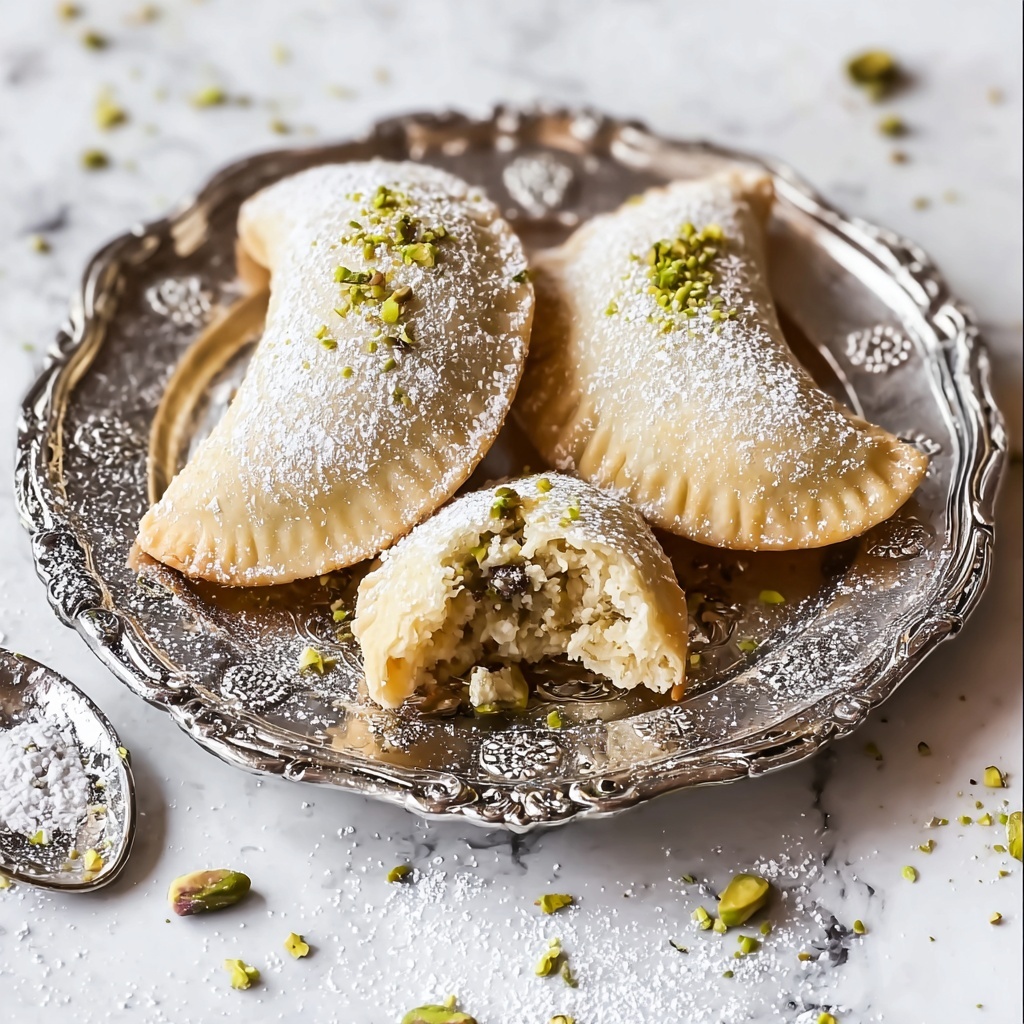
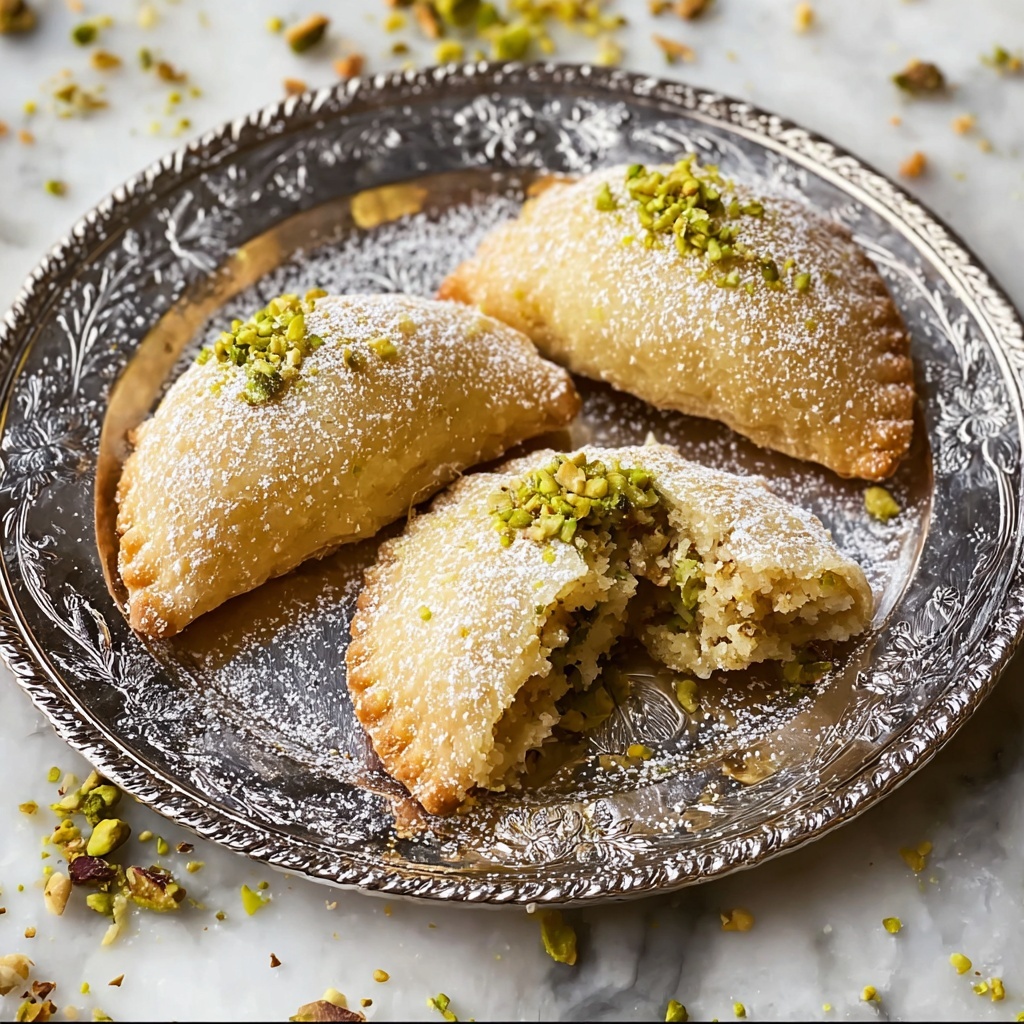
If you’ve ever dreamed of a festive treat that’s rich, indulgent, and filled with irresistible flavors, then the Mawa Ghughra (Indian Sweet Dumplings) Recipe is here to sweep you off your feet. These golden, crispy dumplings stuffed with luscious mawa and a blend of nuts and spices are the ultimate celebration of comfort and tradition. Every bite offers a heavenly harmony of textures and aromas, making it a beloved delicacy that’s perfect for special occasions or anytime you want to treat yourself and your loved ones to a sweet escape.
Ingredients You’ll Need
Gathering the right ingredients is key to making this classic Indian sweet dumpling as delightful as it should be. Each component plays a crucial role, whether it’s giving the filling its creamy richness, adding crunch, or lending that perfect golden crust.
- 2 cups Plain flour (Maida): This is the base of the dough, providing that soft yet sturdy shell; whole wheat can be used but expect changes in texture and color.
- 4 tablespoons Ghee: This adds richness to the dough and enhances the flavor beautifully; unsalted butter can work as a substitute.
- 1/2 cup Water: Essential for bringing the dough together with the right consistency.
- 1 cup Mawa/Khoya: The heart of the filling; use homemade or store-bought, both bring wonderful creaminess.
- 1/2 cup Desiccated coconut: Adds a subtle chewy texture and sweet aroma.
- 1/2 cup Nuts (cashews, almonds, pistachios): Lightly roasted to bring out their flavor and crunch.
- 1/4 cup Sultanas (yellow raisins): These little bursts of sweetness complement the nuts perfectly.
- 2 tablespoons Charoli (Chironji): Optional but gives a unique nutty depth if available.
- 1 tablespoon White poppy seeds (khus khus): Optional, adding a delicate nutty crunch.
- 1 teaspoon Cardamom powder: A classic Indian spice that perfumes the filling with warmth and sweetness.
- 1/4 teaspoon Nutmeg powder: Lends a gentle, aromatic undertone to the filling.
- 1/2 cup Caster sugar (powdered sugar): Sweetens the filling; alternative sweeteners can be used to suit taste.
- A few strands Saffron: Optional, but if you have it, it adds beautiful color and a subtle floral note.
- Oil for frying: Use sunflower or vegetable oil for a perfect golden crust.
- Optional garnishes: Edible silver leaf, rose petals, and crushed pistachios for that festive sparkle.
How to Make Mawa Ghughra (Indian Sweet Dumplings) Recipe
Step 1: Prepare the Dough
Start by sifting the plain flour into a mixing bowl to ensure your dough is smooth and lump-free. Add melted ghee and rub it in with your fingertips until the mixture resembles breadcrumbs. This process ensures the dough is tender and flaky once fried. Gradually pour in the water, kneading carefully until you have a stiff, cohesive dough. Cover it with a cloth and let it rest for about 30 minutes; this resting time helps relax the gluten, making rolling easier.
Step 2: Cook the Mawa Filling
Next, heat the mawa in a heavy pan over low heat. Stir continuously to prevent sticking, as the mawa slowly crumbles and loses excess moisture. When it’s a bit dry and aromatic, add the desiccated coconut and continue cooking until the ghee separates from the mixture, about 5 minutes. This step deepens the flavors and ensures the filling won’t ooze out when frying.
Step 3: Mix in the Nuts and Spices
Into the cooled mawa mixture, stir in the roasted nuts, cardamom powder, nutmeg powder, sultanas, poppy seeds, and optional charoli. Let this aromatic filling cool completely before folding in the caster sugar and saffron strands. Adding sugar too soon can make the mixture watery, so patience here pays off!
Step 4: Shape the Ghughras
Divide the rested dough into small, equal-sized balls. Roll each one into a thin circle, around 3-4 inches in diameter. Place a generous spoonful of the prepared filling into the center. Carefully fold the dough over to create a semi-circle, then press and crimp the edges tightly to seal the dumplings. This seals in all the delicious filling and prevents any leaks during frying.
Step 5: Fry to Golden Perfection
Heat oil in a deep pan on medium heat; the key is to fry the ghughras slowly so they cook through evenly and achieve a golden brown crispness. Slide in the dumplings gently without overcrowding the pan. Fry each batch for about 6-7 minutes, flipping occasionally for even color. Once cooked, remove with a slotted spoon and drain on paper towels to absorb excess oil.
How to Serve Mawa Ghughra (Indian Sweet Dumplings) Recipe
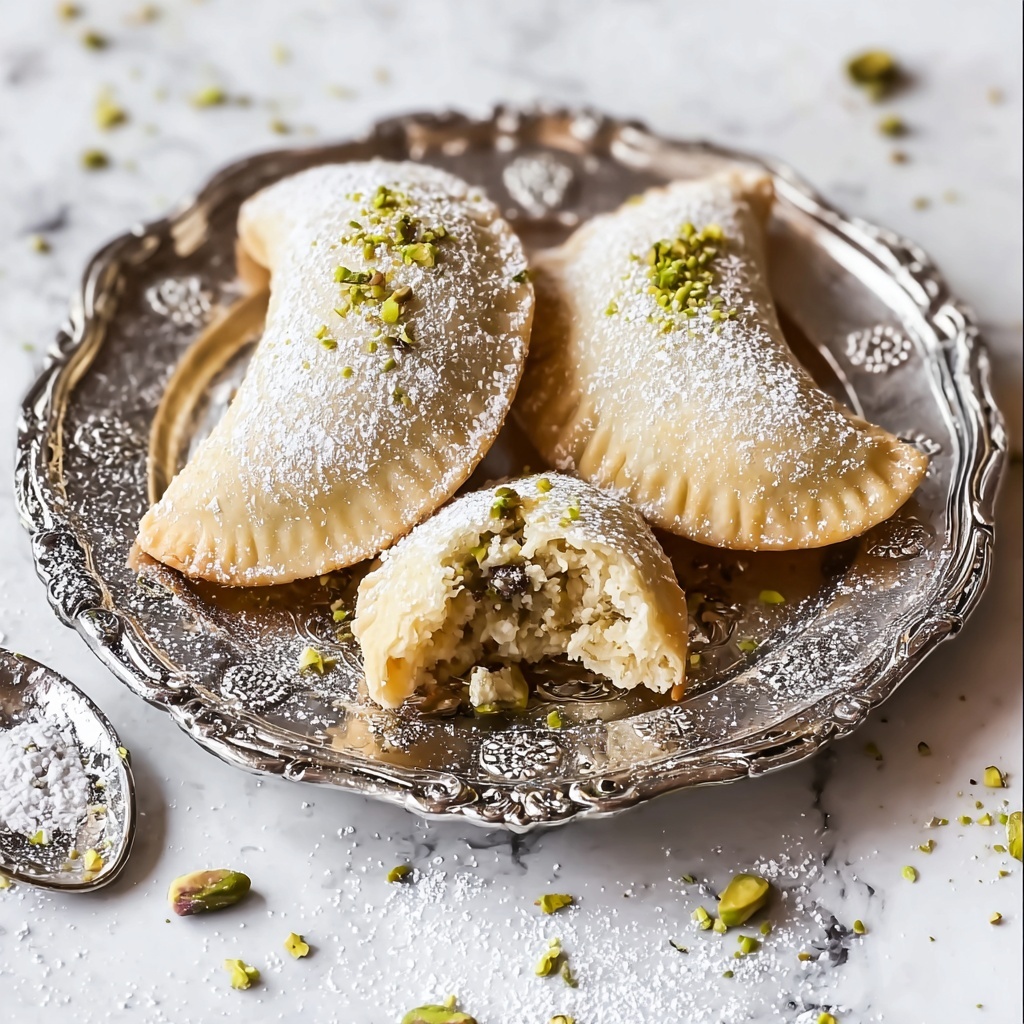
Garnishes
For that extra festive touch, adorn your Mawa Ghughra with edible silver leaf for a stunning shimmer. A sprinkle of crushed pistachios adds a fresh crunch and vibrant green color, while dried rose petals lend a pretty, delicate floral contrast that makes presentation as lovely as the taste.
Side Dishes
These sweet dumplings shine on their own but pairing them with a cup of warm masala chai or cardamom-spiced tea takes the experience to another level. For celebrations, you could also serve a small bowl of rabri or fresh fruit to balance the richness with some refreshing notes.
Creative Ways to Present
Try arranging a platter of Mawa Ghughra garnished with bright rose petals and a dusting of powdered sugar for a visual feast. Gift boxes lined with colorful parchment and embellished with ribbons make these treats perfect for sharing during festivals or special gatherings. You can even serve smaller bite-sized ghughras for a charming tea-time snack experience.
Make Ahead and Storage
Storing Leftovers
If you have leftovers, store them in an airtight container at room temperature for up to two days. They retain their crispy texture best this way, and you can enjoy them fresh without any sogginess.
Freezing
Mawa Ghughra freeze beautifully! Place them in a single layer on a tray, freeze until solid, then transfer to a zip-lock bag. When you want to indulge, reheat them directly from frozen in a low-temperature oven to restore their crispness.
Reheating
The best way to reheat is in a pan over low heat or in an oven at low temperature. This keeps the exterior crunchy without drying out the luscious filling inside like a microwave might. A gentle reheat brings back that just-fried magic every single time.
FAQs
Can I use whole wheat flour instead of maida for this recipe?
Yes, you can substitute whole wheat flour, but note that the dough will be a bit denser and the color of the Mawa Ghughra will be darker. The traditional light and flaky texture comes from maida, so for the most authentic experience, stick with plain flour if possible.
Is mawa homemade necessary, or can I use store-bought?
Both work great! Homemade mawa tends to be fresher and slightly creamier, but store-bought mawa is a convenient and reliable option that yields delicious results every time in this Mawa Ghughra (Indian Sweet Dumplings) Recipe.
Can I bake the Mawa Ghughra instead of frying?
While baking is healthier, it will change the traditional texture and flavor that comes with deep-frying. If you decide to bake, brush the dumplings lightly with ghee or oil and bake at medium heat until golden to get a crispy crust, but expect a different experience.
What nuts work best for the filling?
Cashews, almonds, and pistachios are the classics and provide a nice mix of textures and flavors. Lightly roast them to enhance their aroma before mixing with the filling. You can also add pecans or walnuts as a variation to the traditional recipe.
Can I make the dough and filling ahead of time?
Absolutely! Preparing the dough and filling in advance can save time on the day you want to fry and serve. Store the dough covered in the refrigerator and bring it to room temperature before rolling. Keep the filling in an airtight container to preserve flavors.
Final Thoughts
Making this Mawa Ghughra (Indian Sweet Dumplings) Recipe is like welcoming a piece of Indian festive tradition right into your kitchen. The balance of the rich mawa filling with delicate spices and the heavenly crunch of the outer shell makes this recipe worth every moment spent preparing it. I encourage you to try your hand at these delightful dumplings—you’ll find that sharing them creates instant smiles and lasting memories.
Print
Mawa Ghughra (Indian Sweet Dumplings) Recipe
- Prep Time: 40 minutes
- Cook Time: 50 minutes
- Total Time: 1 hour 30 minutes
- Yield: 10 servings
- Category: Dessert
- Method: Frying
- Cuisine: Indian
Description
Mawa Ghughra, also known as Gujiya, is a decadent Indian festive sweet consisting of a crispy, golden pastry shell filled with a rich blend of crumbled mawa (khoya), nuts, desiccated coconut, and aromatic spices. These deep-fried treats are perfect for celebrations and festivals, offering a delightful combination of textures and flavors that are sweet, nutty, and fragrant with cardamom and saffron.
Ingredients
Dough
- 2 cups Plain flour (Maida) (Whole wheat can be used but will alter texture and color)
- 4 tablespoons Ghee (Unsalted butter can be a great alternative)
- 1/2 cup Water (Essential for binding the dough together)
Filling
- 1 cup Mawa/Khoya (Can be homemade or store-bought)
- 1/2 cup Desiccated coconut
- 1/2 cup Nuts (cashews, almonds, pistachios) (Roast lightly for enhanced taste)
- 1/4 cup Sultanas (yellow raisins)
- 2 tablespoons Charoli (Chironji) (Optional, can be omitted if unavailable)
- 1 tablespoon White poppy seeds (khus khus) (Optional)
- 1 teaspoon Cardamom powder
- 1/4 teaspoon Nutmeg powder
- 1/2 cup Caster sugar (powdered sugar) (Feel free to replace with alternative sweeteners)
- a few strands Saffron strands (Optional)
For frying and garnishing
- Oil (for frying) (Use sunflower or vegetable oil, as needed)
- Optional garnishes (Edible silver leaf, rose petals, and crushed pistachios, as desired)
Instructions
- Prepare the dough: Sift the plain flour into a mixing bowl. Add melted ghee and rub it in with your fingers until the mixture resembles breadcrumbs. Gradually pour in water while kneading until you form a stiff dough. Cover the dough with a cloth and let it rest for about 30 minutes to relax the gluten and make rolling easier.
- Cook the filling: In a heavy pan or kadai, heat the mawa over low heat. Stir continuously to crumble the mawa and cook until it loses moisture. Add desiccated coconut and cook the mixture until ghee starts to separate, which should take around 5 minutes, giving a rich texture and aroma.
- Add nuts and spices: Stir in the roasted nuts, cardamom powder, nutmeg powder, sultanas, white poppy seeds, and charoli seeds if using. Mix well and remove from heat. Let the mixture cool completely to prevent melting the sugar and maintain consistency.
- Sweeten the filling: Once the filling mixture is cool, fold in the caster sugar and a few strands of saffron for color and fragrance. Mix thoroughly to combine all flavors evenly.
- Shape the gujiyas: Divide the rested dough into small balls. Roll each into a thin circle about 4-5 inches in diameter. Place a generous spoonful of the prepared filling in the center of each circle. Fold the dough over to form a semi-circle and crimp the edges securely, pressing the edges firmly to seal and prevent filling from escaping during frying.
- Fry the gujiyas: Heat oil in a deep pan over medium heat until hot but not smoking. Carefully slide the shaped gujiyas into the oil in batches, avoiding overcrowding. Fry them gently until they turn golden brown on both sides, approximately 6-7 minutes, turning occasionally for even cooking.
- Drain and cool: Using a slotted spoon, carefully remove the fried gujiyas and place them on paper towels to drain excess oil. Let them cool completely to crisp up and develop their characteristic texture.
- Garnish and serve: Optionally, decorate the cooled gujiyas with edible silver leaf, rose petals, or crushed pistachios for an elegant presentation. Serve at room temperature as a festive treat with tea or coffee.
Notes
- Whole wheat flour can be used instead of plain flour but expect a denser texture and darker color.
- If charoli (chironji) nuts are unavailable, simply omit; the filling will still be delicious.
- Ensure the filling is completely cooled before adding sugar to prevent melting.
- Do not overcrowd the frying pan as it may lower the oil temperature and produce soggy gujiyas.
- Store in an airtight container at room temperature for up to 1 week to maintain crispness.
- You can substitute ghee with unsalted butter for a slightly different flavor.
- Adjust sugar quantity according to your preferred sweetness level.