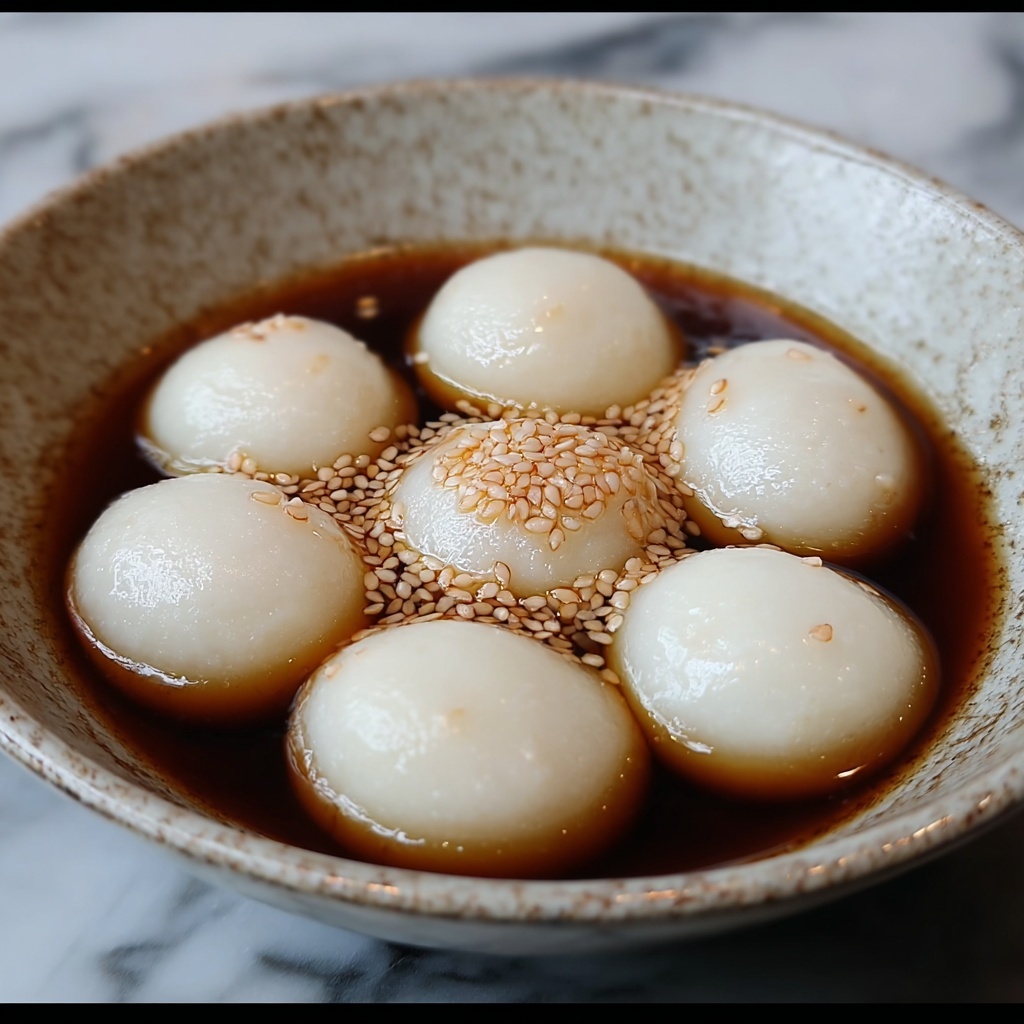
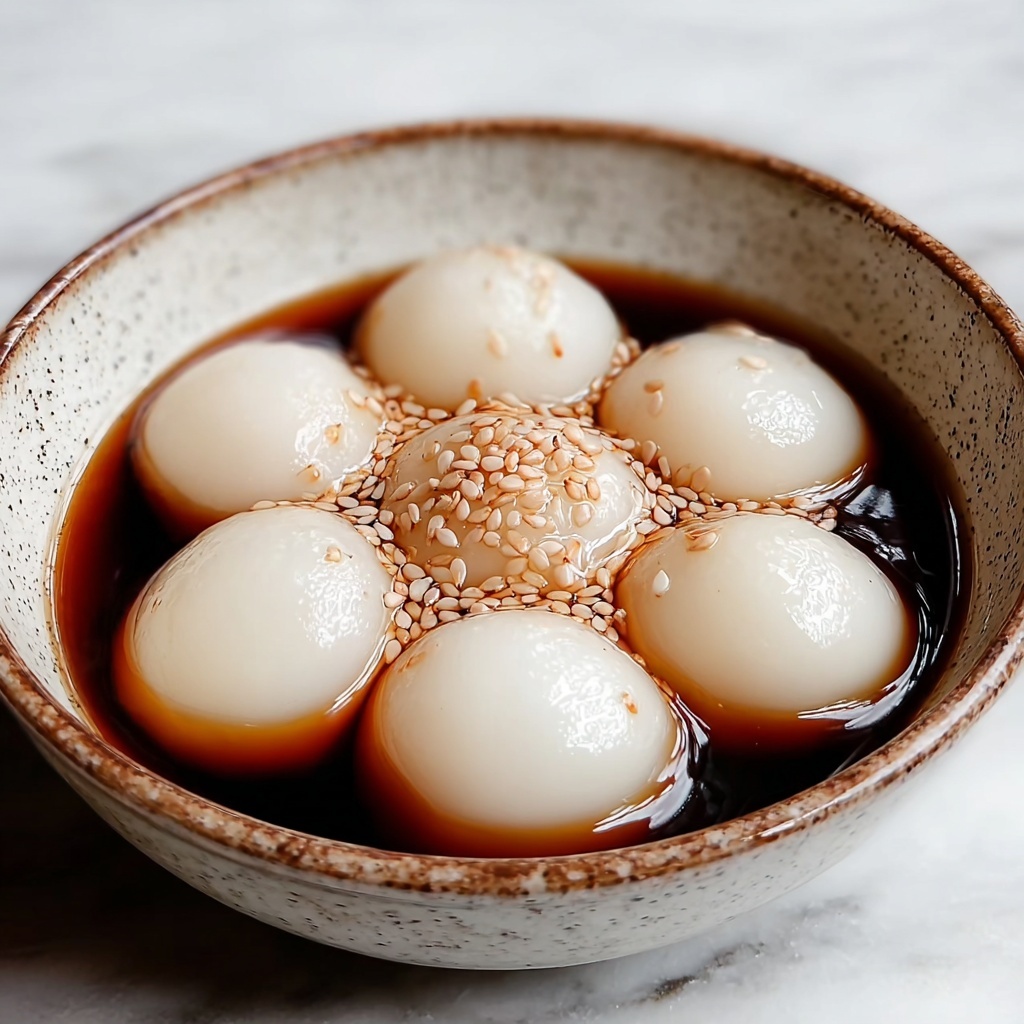
If you have a soft spot for delightful Japanese sweets, then you are in for a treat with this Shiratama Dango Recipe. These chewy, melt-in-your-mouth rice flour dumplings are incredibly simple to make but bring such a comforting texture and subtle sweetness, whether served with anko (sweet red bean paste), dusted with kinako, or dipped in syrup. Shiratama dango have been a cherished traditional Japanese dessert for ages, loved for their pleasant chewiness and ability to pair beautifully with a variety of toppings. I can’t wait to share how easy and rewarding it is to whip up these charming little dumplings in your own kitchen!
Ingredients You’ll Need
Gathering your ingredients for the Shiratama Dango Recipe is refreshingly straightforward. Each one plays a crucial role in creating that perfect soft and chewy texture, delicate sweetness, and traditional flavor you expect from these comforting treats.
- Shiratamako sweet rice flour: This is the star ingredient, providing the unique chewy texture that sets shiratama dango apart.
- Water: Added slowly to bring the flour together into a soft, pliable dough, water controls the dough’s consistency perfectly.
- Sugar (optional): A touch of sweetness inside the dough enhances the flavor and balances the red bean paste if used together.
- Sweet red bean paste (anko): The classic accompaniment offering a rich, creamy contrast to the pale dumplings.
- Kinako roasted soybean flour (optional): When mixed with sugar, this provides a nutty coating that adds flavor and a beautiful golden color.
- Sugar for kinako mixture: Balances the roasted soybean flour with subtle sweetness when coating your dango.
How to Make Shiratama Dango Recipe
Step 1: Prepare the Dough
Start by placing the shiratamako flour into a mixing bowl and, if you like, add sugar to the flour for a hint of sweetness. Slowly add water in small increments, kneading gently with your hands as you go. Aim for a dough that feels soft and slightly sticky, similar to the texture of a soft earlobe. Taking it slow here ensures your dough has just the right moisture for perfect chewiness later.
Step 2: Shape the Dumplings
Divide the dough into small portions, about 1 inch in diameter, and roll each into a smooth ball. To help them cook evenly, press the center of each ball gently to create a slight indentation. This simple shaping step makes your dango much easier to enjoy and adds a touch of character to each dumpling.
Step 3: Boil the Dumplings
Bring a large pot of water to a rolling boil and gently drop the dumplings in. They will sink initially but float to the top after about 2 to 3 minutes, signaling that they are almost ready. Let them cook for an additional minute to ensure they are cooked through. Use a slotted spoon to scoop them out and immediately transfer them to a bowl of cold water to halt the cooking process and keep them delightfully tender.
Step 4: Drain and Prepare for Serving
Once cooled, drain the dumplings well. They are now ready to be dressed with your favorite toppings or coatings and served fresh for the best texture. Keeping them moist but not soggy is key to enjoying their luscious chewiness.
How to Serve Shiratama Dango Recipe
Garnishes
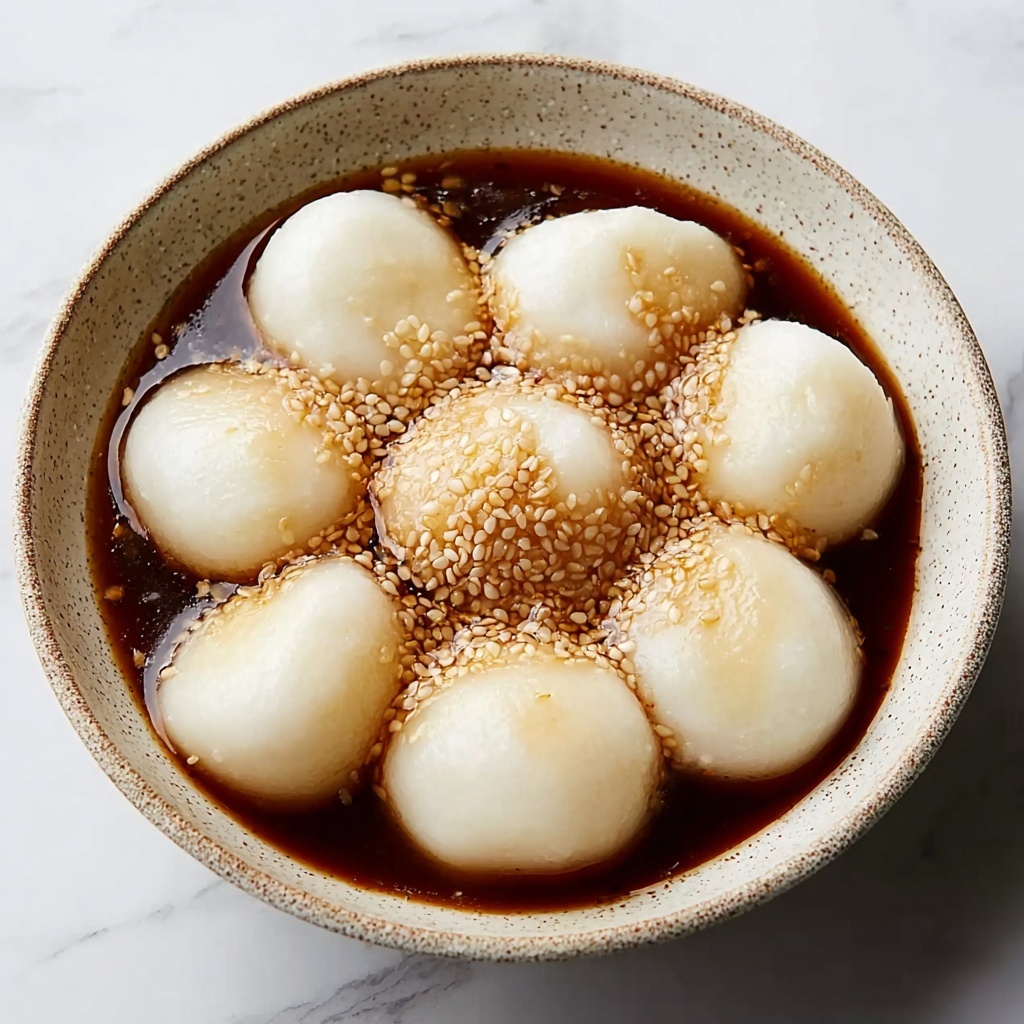
The beauty of shiratama dango is in its versatility when it comes to garnishes. Serving them with sweet red bean paste (anko) offers a traditional, creamy sweetness that’s a classic match. Alternatively, rolling the dumplings in kinako mixed with sugar adds a nutty warmth and dusty golden color that makes every bite interesting. You could also drizzle some kuromitsu (Japanese brown sugar syrup) on top for a rich, molasses-like finish that’s a crowd-pleaser.
Side Dishes
While shiratama dango is a satisfying dessert on its own, pairing it with light Japanese teas such as hojicha or sencha elevates the experience by balancing sweetness with subtle bitterness. For a more substantial sweet course, you can serve these alongside seasonal fresh fruits or other wagashi sweets for a colorful and refreshing spread.
Creative Ways to Present
Bring a little fun to your Shiratama Dango Recipe presentation by threading the dumplings onto skewers with alternating coatings or toppings. You can also arrange them in a traditional anmitsu bowl, surrounded by a variety of jelly cubes, fruits, and a drizzle of syrup, creating a vibrant and textural dessert that delights the eyes and palate alike. The possibilities are endless when you get creative with these charming dumplings!
Make Ahead and Storage
Storing Leftovers
Shiratama dango is best enjoyed fresh due to its soft texture, but if you have leftovers, store them in an airtight container in the refrigerator. They may firm up a bit, so it’s best to consume them within a day for optimal texture and taste.
Freezing
Freezing shiratama dango is not recommended as the texture changes significantly after thawing. If you must freeze them, separate dumplings on a tray to freeze individually before transferring to a container, but expect some loss in their chewiness upon defrosting.
Reheating
To bring refrigerated dango back to life, gently warm them by plunging briefly in hot water or microwaving covered with a damp paper towel. Avoid overheating which can make them tough. A quick warm-up restores their tender, chewy goodness nicely.
FAQs
What is shiratamako flour, and can I substitute it?
Shiratamako is a type of glutinous rice flour specifically used for making chewy Japanese rice dumplings. It differs from regular mochiko flour, so while mochiko can work, it won’t yield quite the same texture. Using shiratamako is best for authentic results in the Shiratama Dango Recipe.
Can I make dango without sugar in the dough?
Yes, sugar is optional in the dough since most toppings like red bean paste or kinako mixture provide enough sweetness. Omitting it lets you adjust sweetness based on how you plan to serve the dumplings.
How do I know when the dumplings are done boiling?
The dumplings will sink initially and then float to the surface as they cook. Once floating, give them another minute in the boiling water to ensure they are fully cooked through.
What is kinako, and why is it used?
Kinako is roasted soybean flour with a nutty aroma and flavor. It’s commonly mixed with sugar and used as a coating for dango to add extra taste and texture contrast.
Can shiratama dango be used in other desserts?
Absolutely! Shiratama dango works wonderfully in many Japanese desserts such as anmitsu, parfaits, or even chilled in sweet soups. Their chewy texture adds a fun contrast to smooth and creamy desserts.
Final Thoughts
I genuinely hope this Shiratama Dango Recipe inspires you to bring a little taste of Japan into your own kitchen. There’s something wonderfully satisfying about making these delicate, chewy rice dumplings from scratch and customizing them with your favorite toppings. Whether you serve them traditionally with anko or experiment with kinako or syrup, they promise smiles and a happy tummy. So grab your shiratamako flour and give these timeless treats a try—you’ll be making them again and again!
Print
Shiratama Dango Recipe
- Prep Time: 10 minutes
- Cook Time: 5 minutes
- Total Time: 15 minutes
- Yield: 4 servings
- Category: Dessert
- Method: Boiling
- Cuisine: Japanese
- Diet: Vegetarian, Gluten Free
Description
Shiratama Dango are traditional Japanese sweet rice flour dumplings known for their soft, chewy texture. Made from shiratamako (sweet rice flour) and water, these dumplings are boiled until they float and served with sweet red bean paste or kinako (roasted soybean flour) mixture. Perfect as a light dessert or snack, they capture the essence of authentic Japanese wagashi sweets.
Ingredients
Dumplings
- 1 cup shiratamako sweet rice flour
- 1/2 cup water, added gradually
- 2 tablespoons sugar (optional)
Toppings and Coating
- 1 cup sweet red bean paste (anko) for serving
- 1/2 cup kinako (roasted soybean flour), optional for coating
- 2 tablespoons sugar for kinako mixture
Instructions
- Prepare the dough: Place the shiratamako flour in a mixing bowl and add sugar if using. Gradually add water little by little while mixing with your hands until a soft, pliable dough forms that feels similar to soft earlobes.
- Shape the dumplings: Divide the dough into small portions and roll each into smooth balls about 1 inch in diameter. Gently flatten the center of each ball slightly to shape the dumplings.
- Cook the dumplings: Bring a pot of water to a rolling boil and carefully add the dango dumplings. Cook until they float to the surface, which usually takes 2 to 3 minutes. Continue boiling for an additional minute to ensure they are cooked through.
- Cool the dumplings: Using a slotted spoon, remove the dumplings from boiling water and immediately transfer them to a bowl of cold water to stop the cooking process and maintain their chewy texture. Drain well before serving.
- Serve: Serve the shiratama dango topped with sweet red bean paste or roll them in a mixture of kinako and sugar for a nutty flavor and extra sweetness.
Notes
- Handle the dough gently and add water gradually to achieve the perfect soft, chewy texture.
- Shiratama dango are best enjoyed fresh and soft shortly after cooking for optimal texture and flavor.
- You can also serve these dumplings with syrup or incorporate them into other traditional Japanese sweets such as anmitsu.