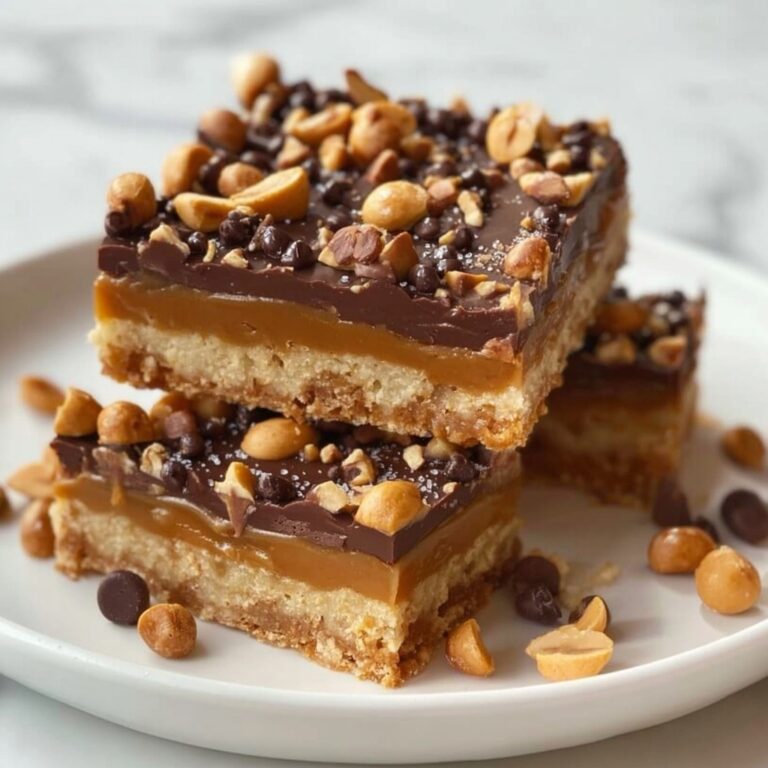

If you love the bright, tangy zing of lemon paired with a fluffy, cloud-like topping, then this Lemon Meringue Cake Recipe is going to become your new favorite dessert. It’s a delightful twist on the classic lemon meringue pie, transformed into a soft, luscious cake that’s perfect for sharing at any gathering. The combination of moist lemon-infused layers and sweet, airy meringue will have everyone asking for seconds and wondering how you mastered such a show-stopping treat.

Ingredients You’ll Need
Getting the ingredients right is key to nailing this Lemon Meringue Cake Recipe. Luckily, each component is simple yet crucial, playing its part in building the perfect balance of flavor, texture, and color that makes this cake truly irresistible.
- All-purpose flour: The sturdy base that gives the cake its tender crumb and structure.
- Granulated sugar: Sweetens the cake and the meringue, balancing the tartness of lemon.
- Unsalted butter, softened: Adds richness and moisture for that melt-in-your-mouth quality.
- Milk: Keeps the batter smooth and contributes a bit of softness to the texture.
- Large eggs: Provide lift and help bind everything together perfectly.
- Lemon zest: Packs a punch of fresh citrus aroma and flavor in every bite.
- Fresh lemon juice: The star ingredient bringing the signature bright, tangy taste.
- Vanilla extract: Adds warmth and depth that complements the lemon beautifully.
- Salt: Enhances all the flavors and balances sweetness.
- Cornstarch: Helps give the meringue that silky, stable texture that holds its shape.
- Egg whites: Whipped into the fluffy meringue topping for lightness.
- Cream of tartar: Stabilizes the meringue to keep it glossy and firm.
How to Make Lemon Meringue Cake Recipe
Step 1: Prepare the Cake Batter
Start by preheating your oven and greasing your cake pans. In a large mixing bowl, cream together the softened butter and granulated sugar until it’s light and fluffy—that’s where the magic begins. Beat in the eggs one at a time, then stir in the vanilla extract, lemon zest, and fresh lemon juice. Alternately add the flour, salt, and milk, mixing gently to maintain that airy texture. The batter should be smooth with a fresh lemon aroma that hints at the delicious cake to come.
Step 2: Bake the Cake
Pour your batter evenly into the prepared pans and pop them in the oven. Baking at the right temperature, usually around 350°F, ensures the cake cooks through without drying out. You’ll know it’s ready when a toothpick inserted in the center comes out clean and the edges start to pull away slightly from the pan. Let your cake cool completely—this step helps keep your meringue topping from melting once applied.
Step 3: Make the Meringue Topping
While the cake cools, whip your egg whites with cream of tartar until soft peaks form. Slowly add the sugar and cornstarch, whipping until you achieve stiff, glossy peaks. This meringue is what gives the cake its iconic fluffy, cloud-like topping that contrasts perfectly with the tart lemon layers beneath.
Step 4: Top and Bake the Meringue
Spread the meringue over the cooled cake layers, making sure to cover every inch and seal the edges to prevent shrinking. Bake the entire cake at a slightly lower temperature for a short time until the meringue is set and has those irresistible golden peaks on top. Watching it turn that perfect shade of light brown is honestly one of the most satisfying parts of this Lemon Meringue Cake Recipe.
How to Serve Lemon Meringue Cake Recipe

Garnishes
To make your Lemon Meringue Cake look as stunning as it tastes, garnish it with thin lemon slices, a sprinkle of fresh lemon zest, or even edible flowers for a charming touch. These accents not only add visual appeal but amplify the citrusy freshness that this cake embodies.
Side Dishes
Serving this cake alongside a dollop of whipped cream or a scoop of vanilla ice cream elevates the experience by adding creaminess that balances the tartness of the lemon. Fresh berries, such as raspberries or blueberries, also make fantastic vibrant companions without overpowering the delicate flavors.
Creative Ways to Present
If you want to wow guests, consider serving individual slices on pretty plates with a drizzle of fruit coulis or a dusting of powdered sugar. You can even layer mini versions in clear cups for a charming presentation that highlights every luscious layer and fluffy meringue peak.
Make Ahead and Storage
Storing Leftovers
Keep your Lemon Meringue Cake refrigerated in an airtight container to maintain freshness. It will stay delicious for up to three days, but try to enjoy it soon so the meringue remains light and fluffiest rather than becoming sticky or soggy.
Freezing
Freezing this cake isn’t recommended because the delicate meringue texture tends to suffer, losing its airy crispness upon thawing. For the best experience, bake fresh or store refrigerated if you need to prepare in advance.
Reheating
Since the cake is best enjoyed chilled or at room temperature, reheating is usually unnecessary. If you prefer a warm slice, gently warm a piece in the oven at low heat for a few minutes, but avoid heating the meringue directly to preserve its structure and flavor.
FAQs
Can I use lemon extract instead of fresh lemon juice?
While lemon extract is a decent substitute, fresh lemon juice offers a brighter, more natural tartness that’s hard to beat in this Lemon Meringue Cake Recipe. For the best flavor, stick to fresh lemons if you can.
How do I prevent the meringue from weeping or shrinking?
Make sure the cake is completely cool before spreading the meringue, and seal the edges well. Baking the meringue until it’s just set helps lock in moisture and keep that beautiful texture.
Can I make this cake gluten-free?
Yes, you can swap regular flour for a gluten-free all-purpose blend, but make sure it includes a binding agent to maintain the cake’s structure and tenderness.
Is it possible to make the cake ahead of time?
You can bake the cake layers a day in advance and store them wrapped in the fridge, but add the meringue topping on the day you plan to serve for optimal texture and appearance.
Why is corn starch added to the meringue?
Cornstarch helps stabilize the meringue, giving it a silky texture and preventing it from weeping or collapsing after baking, which is key in creating that perfect fluffy topping.
Final Thoughts
This Lemon Meringue Cake Recipe is such a joy to make and even more delightful to share. Its bright citrus flavor combined with the cloud-like meringue topping makes it a memorable dessert perfect for any occasion. I encourage you to give this recipe a try—you might just find it becomes your signature cake that friends and family can’t stop raving about.
Print
Lemon Meringue Cake Recipe
- Prep Time: 15 minutes
- Cook Time: 40 minutes
- Total Time: 55 minutes
- Yield: 12 servings
- Category: Dessert
- Method: Baking
- Cuisine: American
Description
This Lemon Meringue Cake is a delightful dessert combining a moist, tender lemon-flavored cake base topped with a fluffy, sweet meringue layer. Perfect for lemon lovers, the recipe balances tangy fresh lemon juice and zest with a smooth, creamy texture and a light, crisp meringue topping for a refreshing, crowd-pleasing treat.
Ingredients
Cake
- 1 1/2 cups all-purpose flour
- 1 1/2 cups granulated sugar
- 1/2 cup unsalted butter, softened
- 1 cup milk
- 3 large eggs
- 1 tablespoon lemon zest
- 1/4 cup fresh lemon juice
- 1 teaspoon vanilla extract
- 1/2 teaspoon salt
- 1 tablespoon cornstarch
Meringue
- 4 large egg whites
- 1/4 teaspoon cream of tartar
- 1/2 cup granulated sugar
Instructions
- Prepare the Cake Batter: In a large mixing bowl, cream together the softened unsalted butter and 1 1/2 cups granulated sugar until light and fluffy. Add the 3 large eggs one at a time, beating well after each addition to incorporate fully. Stir in the lemon zest, fresh lemon juice, and vanilla extract. In a separate bowl, whisk together the all-purpose flour, cornstarch, and salt. Gradually add the dry ingredients to the wet mixture alternately with the milk, beginning and ending with the dry ingredients, mixing just until combined to avoid overmixing.
- Bake the Cake: Preheat your oven to 350°F (175°C). Grease and flour a 9×13-inch baking pan. Pour the prepared batter evenly into the pan and smooth the top. Bake for approximately 35 minutes, or until a toothpick inserted into the center comes out clean. Remove the cake from the oven and reduce oven temperature to 325°F (160°C) for the meringue topping.
- Prepare the Meringue: While the cake bakes, place the 4 large egg whites and cream of tartar in a clean, grease-free mixing bowl. Using an electric mixer, beat on medium speed until soft peaks form. Gradually add the 1/2 cup granulated sugar, one tablespoon at a time, while continuing to beat on high speed until stiff, glossy peaks form.
- Top the Cake with Meringue: Once the cake is slightly cooled but still warm, spread the meringue evenly over the top, ensuring to seal the edges to the sides of the pan to prevent shrinkage during baking.
- Bake the Meringue: Return the cake with meringue topping to the oven at 325°F (160°C) and bake for an additional 10-12 minutes, or until the meringue is golden brown on top.
- Cool and Serve: Remove the cake from the oven and allow it to cool completely at room temperature before slicing. This prevents the meringue from weeping and ensures clean slices. Serve chilled or at room temperature for best flavor and texture.
Notes
- Make sure the mixing bowl for the meringue is completely clean and free of grease to achieve maximum volume.
- Use fresh lemons for the best citrus flavor in the cake batter.
- The cake must be warm when spreading the meringue so it adheres properly.
- Seal the edges of the meringue to the pan to prevent shrinkage during baking.
- Allow the cake to cool completely to keep the meringue from weeping liquid.