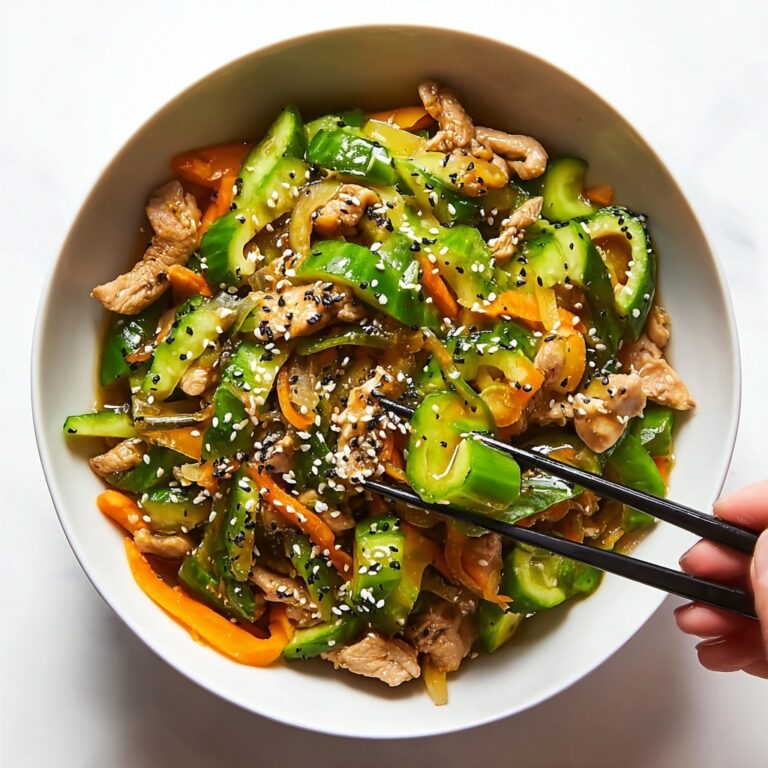
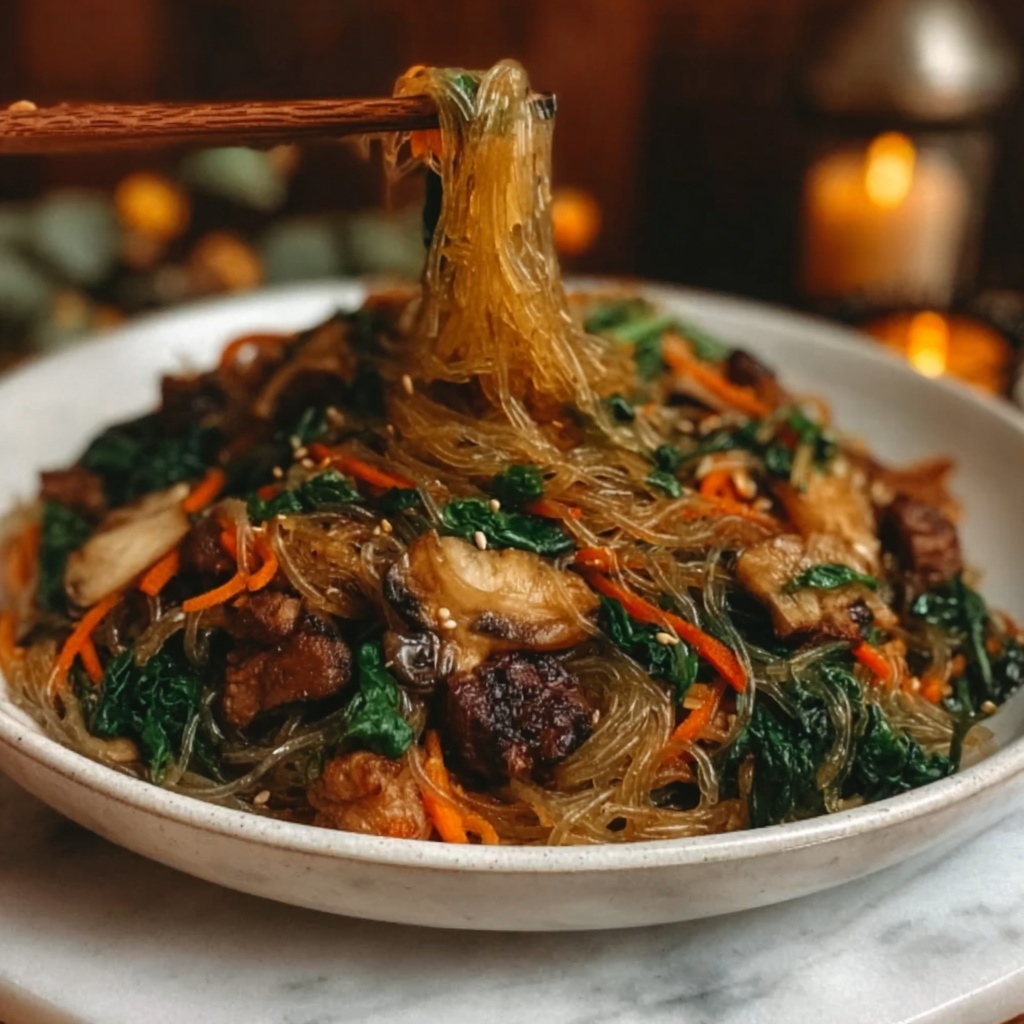
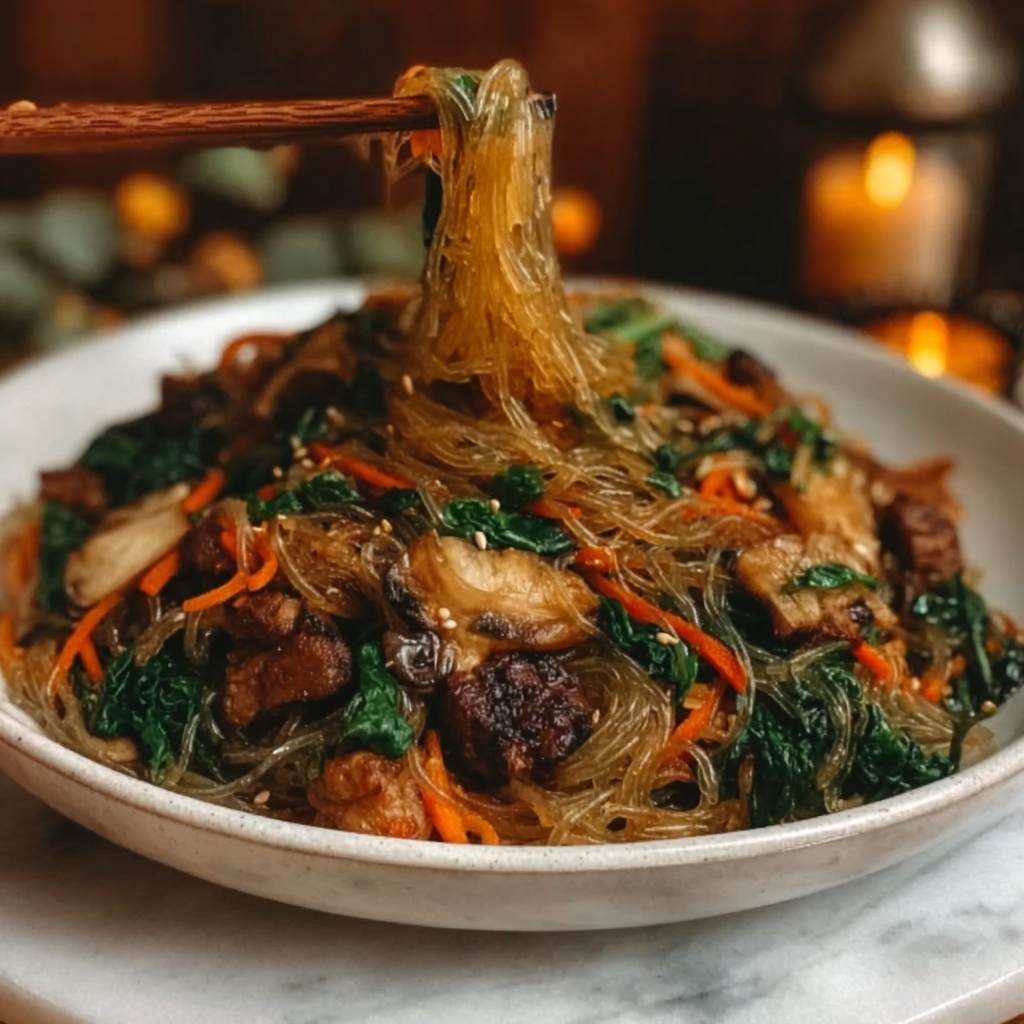
If you’re craving a dish that’s a vibrant celebration of flavors and textures, you have to try this Korean Japchae Noodles Recipe. This classic Korean stir-fried noodle dish combines chewy sweet potato noodles with tender beef, fresh vegetables, and a savory-sweet sauce that will totally delight your taste buds. It’s colorful, satisfying, and perfect for sharing with friends or family on any occasion. I promise once you make it, Korean Japchae Noodles will become a beloved favorite in your kitchen.
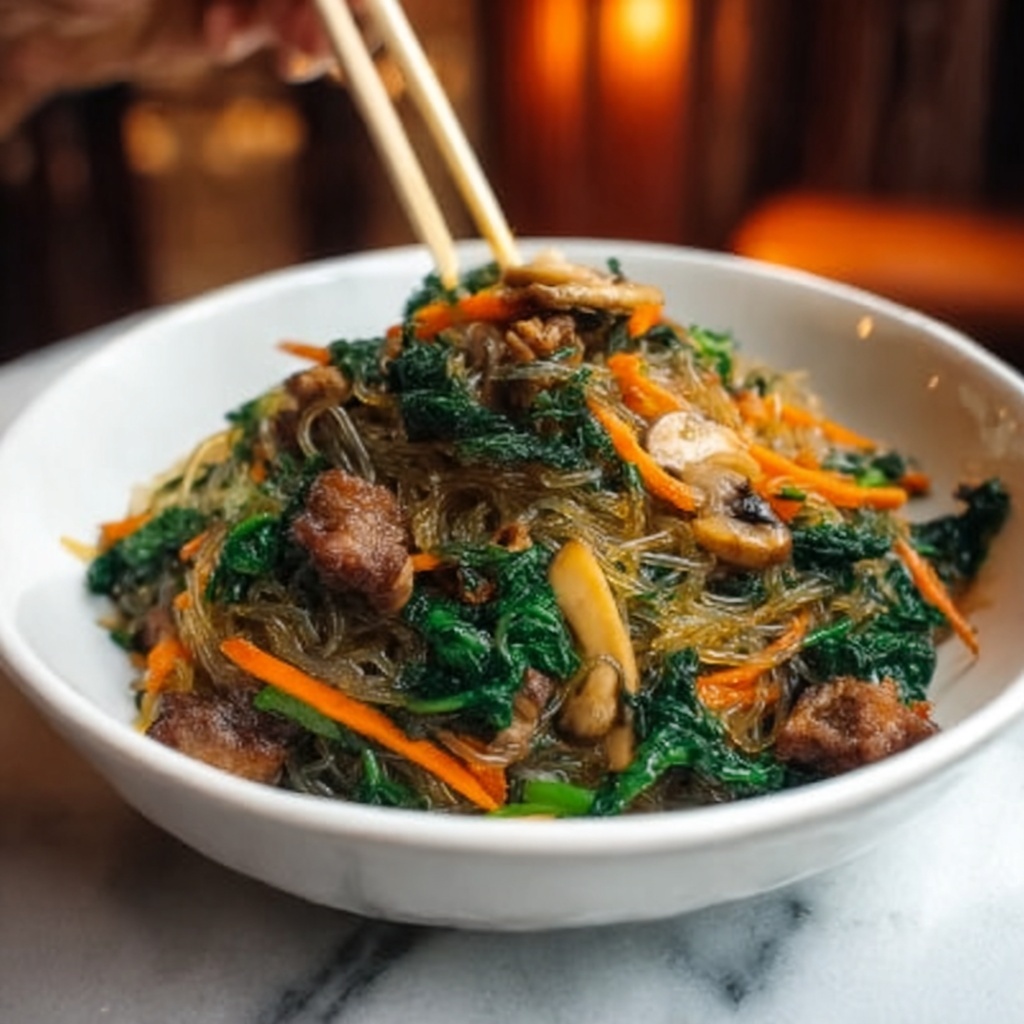
Ingredients You’ll Need
The beauty of this Korean Japchae Noodles Recipe lies in its simple, fresh ingredients that each add a special touch to the dish. From the unique chewy texture of sweet potato noodles to the earthy mushrooms and bright spinach, every component works harmoniously to create a balanced and flavorful meal.
- Sweet potato noodles (dangmyeon): These chewy noodles are the heart of the dish, offering a unique texture that’s gluten-free and slightly sweet.
- Beef (thinly sliced): Adds a rich, savory flavor and tender protein that complements the noodles perfectly.
- Fresh spinach: Brings a fresh, slightly earthy flavor and vibrant green color to brighten the plate.
- Carrots (julienned): Provide a hint of sweetness and a satisfying crunch for textural contrast.
- Shiitake mushrooms (sliced): Impart a deep, umami richness that enhances the dish’s depth.
- Onion (sliced): Adds natural sweetness and a subtle bite when stir-fried.
- Garlic (minced): Gives a fragrant warmth that permeates the whole dish.
- Soy sauce: The essential salty-sweet backbone that ties all the flavors together.
- Sesame oil: Adds a toasty, nutty aroma that makes the dish irresistibly fragrant.
- Vegetable oil: For cooking, ensuring a good sear and stir-fry without overpowering other flavors.
- Salt and pepper: Used to perfectly season and balance the dish.
How to Make Korean Japchae Noodles Recipe
Step 1: Soak the Sweet Potato Noodles
Start by soaking the sweet potato noodles (dangmyeon) in warm water for about 30 minutes. This softens them up so that when you stir-fry later, they’ll have that perfect chewy texture that Korean Japchae is famous for. After soaking, drain and set the noodles aside to prepare the rest of your ingredients.
Step 2: Prep the Fresh Vegetables
While the noodles soak, wash the fresh spinach thoroughly, julienne the carrots into thin, matchstick pieces, and slice the shiitake mushrooms and onion. Having all your veggies ready to go ensures a smooth cooking process. The colorful array here not only makes your Japchae visually stunning but also balances the flavors and textures beautifully.
Step 3: Cook the Beef
Heat a large skillet or wok over medium-high heat and add vegetable oil. Quickly stir-fry the thinly sliced beef until it’s nicely browned and cooked through. This quick sear locks in the juices and develops savory flavor. Once cooked, transfer the beef to a plate and set it aside for now.
Step 4: Stir-Fry Vegetables and Garlic
In the same skillet you cooked the beef, add a bit more oil if needed and toss in the sliced onions, julienned carrots, and shiitake mushrooms. Stir-fry them for about 5 minutes until they’re tender yet still vibrant. Then add the minced garlic and cook just for another minute to release its wonderful aroma without burning it.
Step 5: Combine Everything and Season
Add the fresh spinach to the skillet and stir until wilted. Then, introduce the drained sweet potato noodles and the cooked beef back into the pan. Pour in soy sauce and sesame oil, and toss everything together gently but thoroughly. The noodles will soak up all those delicious flavors, becoming vibrant and glossy. Give it a final taste and adjust salt and pepper as needed.
How to Serve Korean Japchae Noodles Recipe
Garnishes
To elevate your Korean Japchae Noodles Recipe, sprinkle some toasted sesame seeds over the top for added crunch and nutty flavor. You can also scatter some thinly sliced green onions for freshness and a pop of color. A few strips of egg omelette or chili slices can add a delightful twist if you’re feeling adventurous.
Side Dishes
Korean Japchae Noodles pair beautifully with a variety of traditional side dishes like kimchi for a spicy kick or pickled radishes for a crisp contrast. Lightly steamed broccoli or a simple cucumber salad works well if you want to keep things fresh and balanced.
Creative Ways to Present
If you’re serving for a party or a special occasion, consider making Japchae noodle cups by placing portions into crispy lettuce leaves or edible rice paper wraps. Alternatively, layering Japchae over steamed rice or inside a warm wrap can be a fun, hands-on way to enjoy this dish.
Make Ahead and Storage
Storing Leftovers
If you have leftovers of Korean Japchae Noodles Recipe, store them in an airtight container in the refrigerator. They will stay fresh for up to 3 days. Before storing, make sure the noodles have cooled completely to avoid condensation and sogginess.
Freezing
While you can freeze leftover Japchae, keep in mind that the texture of sweet potato noodles may change slightly after thawing. If freezing, place portions in freezer-safe containers or bags and consume within a month for best quality.
Reheating
Reheat leftover Japchae gently in a skillet over medium heat, adding a splash of water or sesame oil to loosen the noodles and restore moisture. Avoid microwaving directly without stirring, as this can cause uneven heating and dryness.
FAQs
Can I use other noodles besides sweet potato noodles?
While sweet potato noodles are traditional and offer that signature chewy texture, you can substitute with glass noodles or even zucchini noodles for a low-carb version. Just keep in mind the texture and cooking times might vary.
Is Korean Japchae Noodles Recipe gluten-free?
The dish is naturally gluten-free if you use gluten-free soy sauce, since sweet potato noodles do not contain wheat. Always double-check your soy sauce label to ensure it suits your dietary needs.
What’s the best cut of beef for Japchae?
Thinly sliced ribeye or sirloin works wonderfully because they’re flavorful and tender. For a more budget-friendly option, flank or chuck steak sliced thinly can also be delicious when cooked quickly over high heat.
Can I make Korean Japchae vegetarian or vegan?
Absolutely! Simply skip the beef and add extra mushrooms, tofu, or your favorite vegetables. Use a soy sauce alternative if you want to keep the recipe vegan, and replace sesame oil with a neutral oil if preferred.
How long does it take to prepare Korean Japchae Noodles Recipe?
This delicious dish typically takes about 45 minutes including prep and cooking time. So it’s perfect for a weekend meal that’s impressive but still manageable.
Final Thoughts
This Korean Japchae Noodles Recipe is one of those special dishes that feels both comforting and festive all at once. Its balance of savory, sweet, and fresh flavors plus that incredible chewy texture make it a real crowd-pleaser. Whether you’re cooking for family, friends, or just treating yourself, I can’t recommend this recipe enough. Trust me, once you make it, Korean Japchae Noodles will find a permanent spot on your recipe rotation!
Print
Korean Japchae Noodles Recipe
- Prep Time: 35 minutes
- Cook Time: 10 minutes
- Total Time: 45 minutes
- Yield: 4 servings
- Category: Main Course
- Method: Stovetop
- Cuisine: Korean
Description
Korean Japchae is a flavorful stir-fried noodle dish made with sweet potato glass noodles, tender beef, fresh vegetables, and a savory soy-sesame sauce. Perfectly balanced with sweet and salty flavors, this classic Korean recipe is quick to prepare and packed with nutritious ingredients.
Ingredients
Vegetables
- Fresh spinach – 100 grams
- Carrots (julienned) – 1 medium
- Shiitake mushrooms (sliced) – 100 grams
- Onion (sliced) – 1 medium
- Garlic (minced) – 2 cloves
Protein
- Beef (thinly sliced) – 150 grams
Noodles
- Sweet potato noodles (dangmyeon) – 200 grams
Sauces and Oils
- Soy sauce – 3 tablespoons
- Sesame oil – 2 tablespoons
- Vegetable oil – 1 tablespoon
Seasonings
- Salt – to taste
- Pepper – to taste
Instructions
- Soak the noodles: Soak the sweet potato noodles in warm water for about 30 minutes until they soften. Drain thoroughly and set them aside to prepare for cooking.
- Prepare the vegetables: Wash the fresh spinach thoroughly. Julienne the carrots, slice the shiitake mushrooms, and thinly slice the onion, ensuring uniform pieces for even cooking.
- Cook the beef: Heat a large skillet or wok over medium-high heat and add the vegetable oil. Stir-fry the thinly sliced beef until it turns brown and is cooked through. Remove the beef from the skillet and set aside to retain its texture and flavor.
- Stir-fry the vegetables: Using the same skillet, add the sliced onions, julienned carrots, and shiitake mushrooms. Stir-fry these vegetables together for about 5 minutes until they begin to soften. Then add the minced garlic and stir-fry for an additional minute to infuse its aroma.
- Wilt the spinach and combine all: Add the fresh spinach to the skillet and stir until it wilts. Next, add the soaked noodles and cooked beef back into the skillet. Pour in the soy sauce and sesame oil. Toss everything together thoroughly to combine all flavors and ingredients while heating through evenly. Adjust salt and pepper to taste before serving.
Notes
- Ensure the sweet potato noodles are fully soaked and soft before stir-frying to avoid clumping or hardness.
- You can substitute beef with chicken or tofu for a different protein option.
- For extra flavor, garnish with toasted sesame seeds or chopped green onions.
- This dish is best served immediately to maintain the texture of the noodles and vegetables.